


Constitutional rights in action: CreativeBiz Nexus empowers South Africa’s entrepreneurs
As the country commemorates Freedom Month, government is in the process of reinforcing the rights of entrepreneurs in the creative sector, recognising them as key drivers of innovation, culture and economic growth. Through the CreativeBiz Nexus; micro, small and medium enterprises (MSMEs) in the creative economy are receiving targeted support to scale, commercialise, and compete in a rapidly evolving market.
The initiative draws on insights from the Creative Sector Engagement held in Limpopo in September 2025, where industry stakeholders called for a structured, coordinated and sustained platform to support creative enterprises. The engagement revealed persistent challenges, including limited market access, weak intellectual property protection, and gaps in commercialisation that hinder the growth of creative MSMEs.
Administered by the Department of Small Business Development (DSBD) in partnership with the Small Enterprise Development and Finance Agency (SEDFA), CreativeBiz Nexus connects talent, enterprise, policy and investment –
creating a collaborative ecosystem designed to unlock sustainable growth in the sector.
By providing a consultative, solutions-driven platform, the initiative not only strengthens the commercial viability of creative enterprises but also reinforces their role as catalysts for economic development, job creation, and cultural expression across South Africa, aligning with the freedoms and opportunities enshrined in the Constitution.
Government support
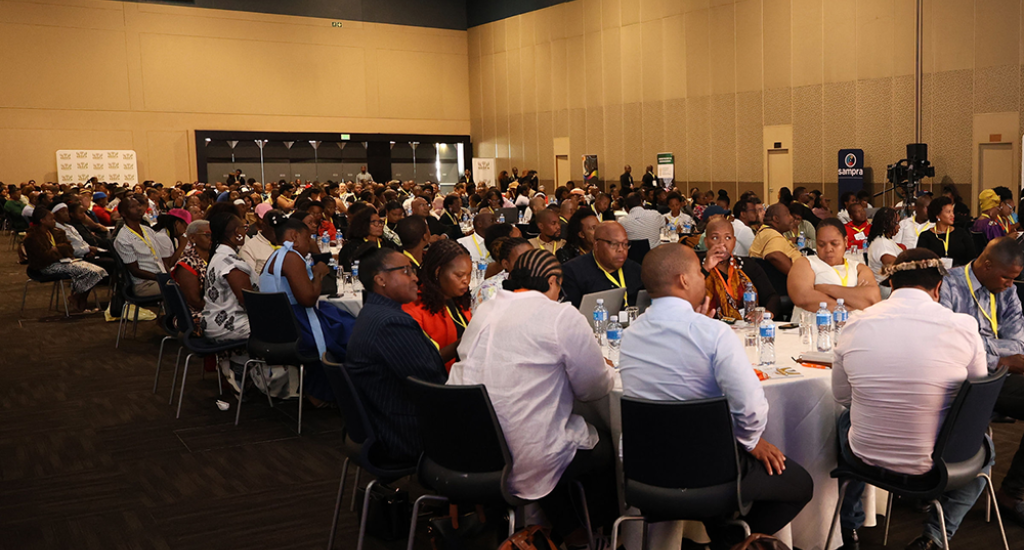
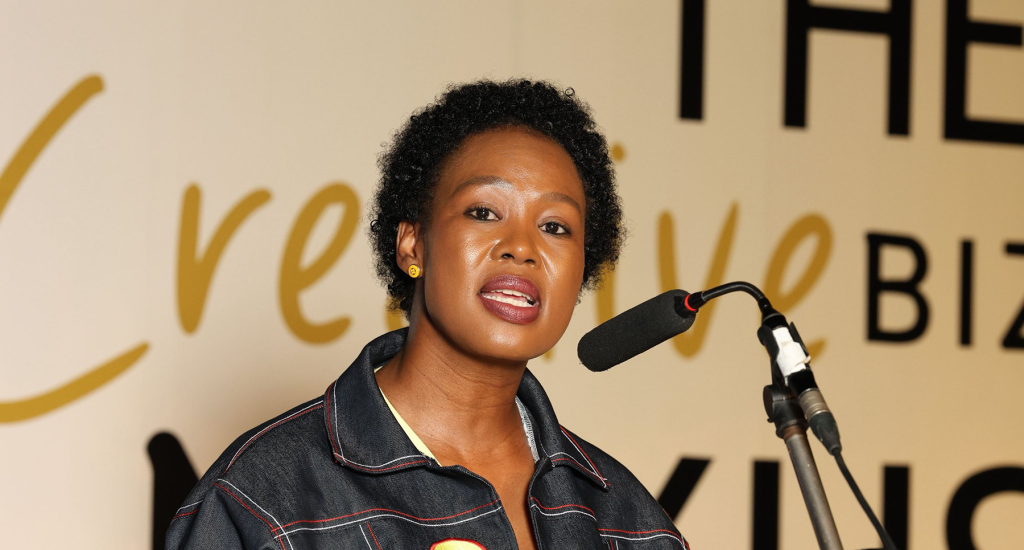
Small Business Development Minister Stella Ndabeni recently hosted a consultative engagement for the creative sector at the Durban International Convention Centre in KwaZulu-Natal. She explained that the CreativeBiz Nexus initiative was developed in direct response to stakeholders’ calls for more coordinated support. The engagement was aimed at bringing together creative practitioners, entrepreneurs and ecosystem partners to explore opportunities across the entire creative value chain.
It also was aimed at indentifying barriers to entry and growth for creative MSMEs. Stakeholders across music, arts and crafts, film, television and digital content, as well as fashion and design directly engaged policymakers and enterprise development ecosystem partners at this catalytic gathering.
Addressing attendants, the Minister said the work they do including producing music, creating films, writing books, animating characters, designing brands, and building digital worlds is not simply art, but entrepreneurship, intellectual property and economic participation.
Constitutional right
“[Your work] is protected by one of the most powerful guarantees in the Constitution of the Republic of South Africa, 1996. Section 22 declares: ‘Every citizen has the right to choose their trade, occupation or profession freely’”.
She added that Section 22 serves as the constitutional foundation for entrepreneurship. As the country commemorates 30 years since the adoption of the Constitution, the Minister highlighted that in today’s digital era, Section 22 empowers innovators – such as prompt engineers – to establish enterprises that influence the development and outputs of tomorrow’s artificial intelligence systems.
The Minister further emphasised that Section 22 underscores the principle that economic participation is a right, not a privilege and that government has a duty to uphold this right by providing enabling systems.
“The promise of Section 22 cannot remain theoretical. It must translate into real opportunities for entrepreneurs. This is the responsibility of the DSBD [Department of Small Business Development] whose mission is to create an enabling environment in which MSMEs and co-operatives can start, grow and thrive,” she said.
Financing the creative sector
Minister Ndabeni acknowledged that creative entrepreneurs face unique challenges as their assets are often intangible - ideas, music, designs, stories, characters, publishing catalogues and prompt libraries.
“Traditional finance often fails to recognise these assets. That is why we are exploring the creation of a creative sector fund, which is designed to recognise intellectual property as capital. Because when we invest in creativity, we invest in industries that can generate global value for decades,” she explained.
Creatives also face challenges such as limited market access, weak intellectual property protection, inadequate infrastructure and difficulties with scalability and commercialisation.
Strengthening support
Over the past few years, the DSBD has taken significant steps to strengthen the MSME ecosystem. These efforts include amending the National Small Enterprise Act, 1996 (Act 102 of 1996) to modernise the institutional framework that supports entrepreneurs.
“Through this amendment, we established the SEDFA, integrating financing and development support under one structure. This ensures that entrepreneurs receive not only funding, but also mentorship, market access and development support,” the Minister explained.
“We are advancing the Business Licensing Bill to simplify licensing across municipalities. Too many entrepreneurs struggle not because their ideas are weak, but because the regulatory environment is complicated”.
Additionally, the department is collaborating with provinces and municipalities to eliminate unnecessary obstacles through its Red Tape Reduction Programme. It is also reinforcing the Office of the Small Enterprise Ombud to safeguard MSMEs against unfair practices and late payments.
Through its Township and Rural Economic Development programmes, the department ensures that entrepreneurship flourishes beyond metropolitan areas, affirming that the right to choose a trade applies in every corner of the country.
VAT relief for MSMEs
The National Treasury has also addressed the concerns of small businesses. Recent fiscal measures provide VAT relief for MSMEs, including raising the VAT registration threshold so that many smaller enterprises no longer need to register, simplifying VAT filing for micro-businesses, and accelerating VAT refunds to improve cash flow.
“For a writers’ cooperative, an animation studio, a design agency or an independent publisher, these changes make a real difference. Less time on administration, and more time on creation. This is how we give practical meaning to Section 22,” she added.
The National Development Plan 2030, recognises MSMEs as a key engine of job creation. Minister Ndabeni reiterated that, by 2030, most new jobs should come from small enterprises, as MSMEs democratise economic participation and transform job seekers into job creators. She added that government aims to support more than one million MSMEs and cooperatives during the 7th Administration.
Creativity and social cohesion
Minister Ndabeni believes that creative industries do more than generate revenue because they build identity, strengthen unity, and shape perceptions. In this way, creative entrepreneurs contribute not only to the economy but also to the nation’s social and cultural fabric.
She added that entrepreneurs must have the ability to create, monetise and export digitally so that they can scale their businesses on a global level. ❖
videos & photos