


Escape to Bontebok National Park for tranquility and natural beauty
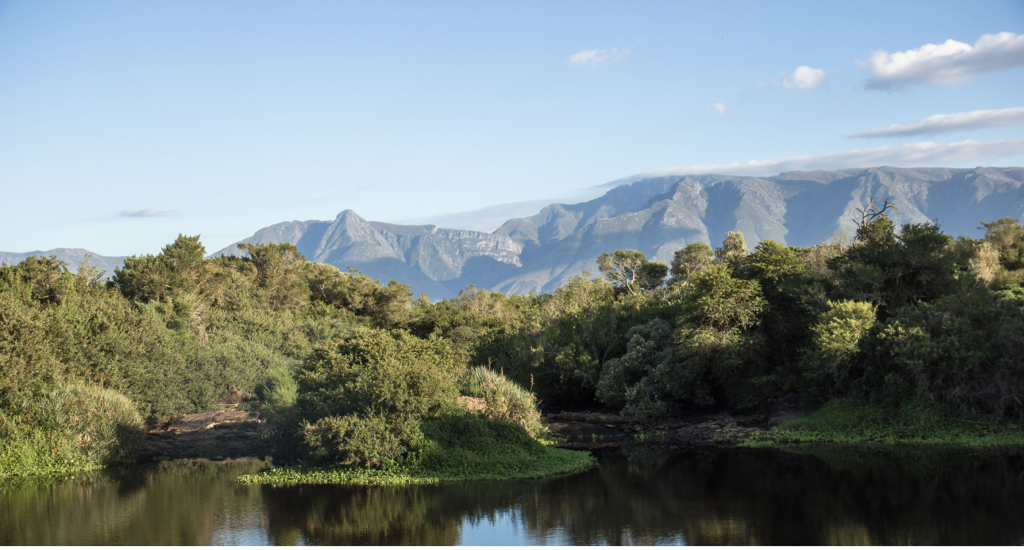
Bontebok National Park is a place of simplistic beauty and peaceful charm. The majestic Langeberg Mountains provide a picturesque backdrop for this ark of colourful riches.
Located on the outskirts of the historic and picturesque town of Swellendam, the park falls within the renowned Cape Floristic Region, one of the world’s richest plant kingdoms. Visitors can stay at the well-equipped rest camp or enjoy the scenic camping sites nestled along the banks of the tranquil Breede River.
Natural and cultural history
Bontebok National Park was originally established to conserve a species – its namesake, the bontebok.
When the species was approaching extinction in the early 1800s (approximately 17 bontebok were left) some landowners set aside portions of their properties to form temporary reserves for the bontebok.
In 1931, the first Bontebok National Park was proclaimed on an area near Bredasdorp. The park was later moved to the area it is in now, to suit the habitat requirements of the bontebok. By 1969, it was estimated that the numbers had grown to around 800 globally.
Today, the smallest national park in the South African National Park stable, Bontebok is proud to boast of its achievements in biodiversity conservation, from the endangered fynbos veld type, coastal Renosterveld, to the bontebok.
The conservation story of this species is one of heart-warming success, bringing the numbers worldwide from a mere 17 bontebok, to a current global total of approximately 3 000, 200 of which call Bontebok National Park their home (the maximum this park can support taking into consideration biodiversity conservation as a whole).
Southern Africa has one of the longest records of human activity anywhere in the world. The Swellendam region in the Overberg is rich in historic sites dating from over 1 million years ago to more recent colonial settlements.
The later Stone Age can be linked to the Khoe Khoe who, in the Swellendam region were known as the Hessequa. This name translates to mean “people of the trees”.
European settlers landed at the Cape of Good Hope in 1652 and the first contact with the Hessequa Khoe Khoe was in 1660. The arrival of settlers in the Overberg was catastrophic for the indigenous inhabitants. Smallpox, land competition, alcohol and tobacco decimated the clans of the Hessequa’s living in this region.
Two Hessequa captains and their followers lived in the area where the Bontebok National Park is now situated. The Park’s rest camp is named after the first of them, a remarkable female captain by the name of Lang Elsie. Between 1734 and 1800, she lived with her followers at the southern part of the park, grazing their stock all the way to the Buffeljags River.
Experience history
Visitors to the park can still see the open werf area where Lang Elsie’s kraal of woven reed huts was situated. Next to this open space are the ruins of a small stone house where Captain Lang Elsie lived.
Nouga Saree, a contemporary of Lang Elsie, lived with his followers in the western part of the Park, at what came to be called the Ou Tuin. Here too an open homestead area is evidence of their settlement.
According to authors and residents of Swellendam, the graves of Nouga Saree and some of his people were found at the foot of the small ridge above Ou Tuin when the Bontebok National Park was established. People recalled that the graves were covered with ‘blue mountain stones’.
Although there are several references to the Khoe graves in the Ou Tuin, these graves are not to be found today. The park is committed to preserving these cultural heritage sites and plans are in place for further research and interpretation of Lang Elsie’s Kraal and the gravesite of Nouga Saree.
What to do, where to stay
This family-friendly destination offers a variety of outdoor activities, including mountain biking, cycling, swimming in the refreshing river waters, and exploring scenic hiking trails and nature walks. Birdwatchers will delight in spotting a diverse range of bird species, while wildlife enthusiasts can marvel at the park’s namesake, the rare and beautiful bontebok, as well as other indigenous animals.
The Bontebok Rest Camp (Lang Elsie's Kraal), situated on the banks of the Breede River, is the first rest camp in South African National Parks to be built according to a "Touching the Earth Lightly" design.
The camp of 10 units provides pristine scenery of the park, Breede River and Langeberg Mountains - a perfect rest stop for visitors.
Apart from Bontebok, the park is home to grey rhebuck, red hartebeest as well as many smaller mammals – take yourself and your family on a drive around the park and spot as many animals as you can.
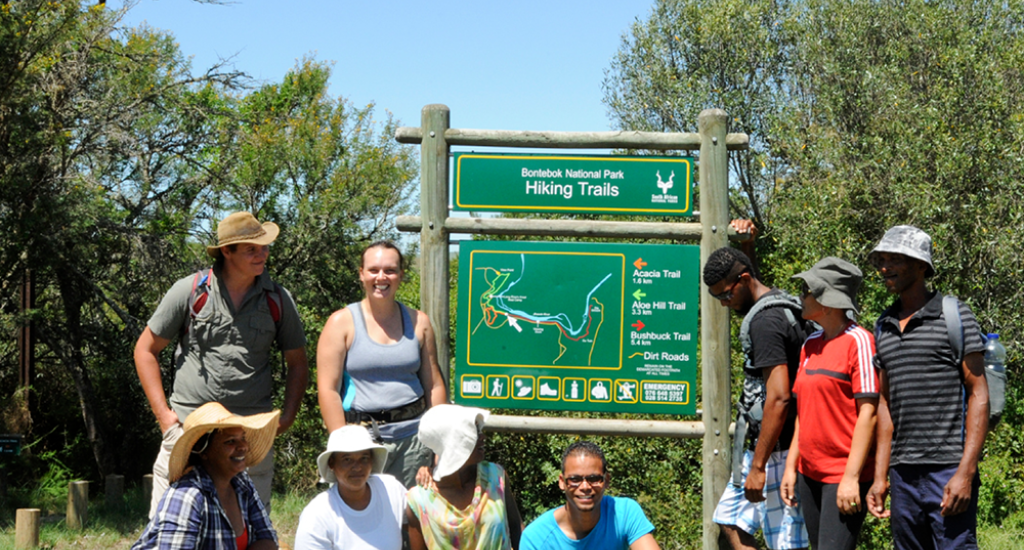
There are four nature-hiking trails, starting and ending in the rest camp area for overnighters and old pump house for day visitors.
Take a dive into the Breede River from either the Rest Camp Area or at Die Stroom – on hot days in the park, this can be a more than welcomed relief.
Take a cycle or mountain bike ride in the park. The Cobra Mountain Bike Trail (9.2km) is a circular route around Mooi Dam in the east of the park and the longest bike trail. ❖
videos & photos