


Building a pipeline
of women leaders in the public sector
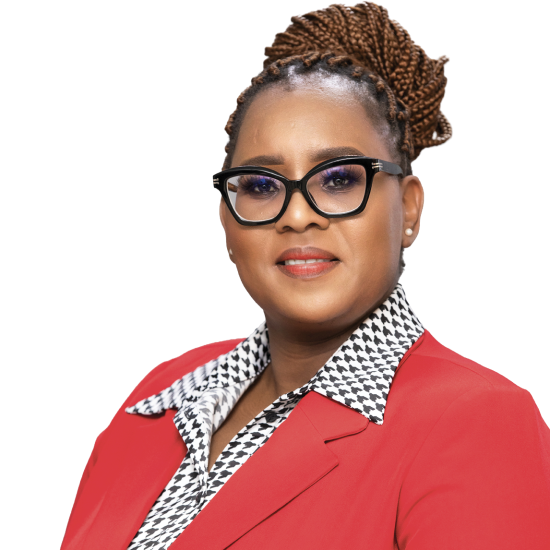
Ayanda Mafuleka’s work is rooted in a simple but powerful belief: when women and young people are equipped with the right skills and opportunities, they can participate meaningfully in the economy and help drive South Africa’s transformation.
As the Chief Executive Officer (CEO) of the Finance and Accounting Services Sector Education and Training Authority (FASSET), the qualified chartered accountant brings extensive experience in finance, governance, strategy and leadership across both the public and private sectors.
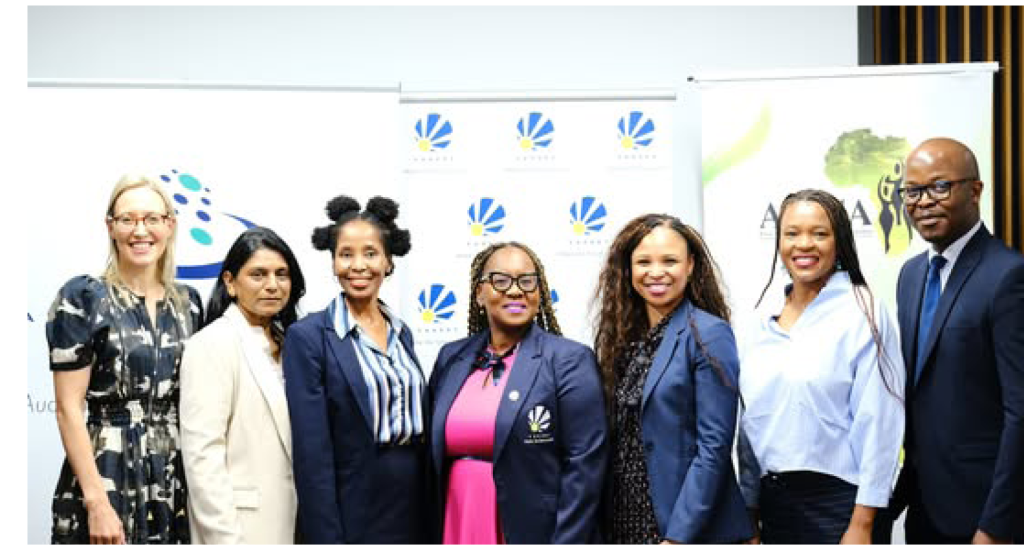
As South Africa commemorates Women’s Month, Mafuleka spoke to Public Sector Manager about FASSET’s partnership with the Auditor-General South Africa (AGSA), which led to the launch of the Women Leading in the Public Sector Programme in 2025.
Fully funded by FASSET, the 12-month programme is designed to build a sustainable pipeline of women leaders across all spheres of the public sector. It targets 500 women in senior leadership positions from public institutions across South Africa each year, equipping them with the skills, knowledge and networks needed to advance their leadership journeys.
Supporting women in leadership
The programme aims to strengthen integrity, accountability, institutional transformation, strategic decision-making, ethical governance, stakeholder engagement and transformative leadership within the public sector. Ultimately, it seeks to drive systemic change and contribute to the development of a more ethical, effective and inclusive public service.
“Among other things, the programme seeks to address challenges, including the underrepresentation of women in senior leadership roles, leadership succession gaps, talent retention and the need for stronger governance and accountability within public institutions,” she explained.
The partnership was inspired by annual public sector audit outcomes that continue to expose weaknesses in governance, financial management and accountability across government institutions. Many municipalities still struggle to attain unqualified audit outcomes.
Action- and results-oriented, the programme is designed to be part of the solution. By developing ethical, capable and transformative women leaders, it seeks to drive institutional change and contribute to improved service delivery.
Mafuleka says achieving this goal requires intentionally elevating and empowering women leaders so that the public sector can build a strong pipeline of ethical, capable and transformative leadership.
The first cohort of women leaders is already participating in the programme.
“We have recruited women in senior management such as chief directors, mayors, chief financial officers in municipalities and commissioners in other government organisations,” she added.
Building capable and ethical leaders
While the programme is focused on empowering women leaders, Mafuleka emphasised that meaningful transformation requires the active support of men.
She noted that men have historically occupied leadership positions in the profession for longer than women and are therefore well placed to act as allies in advancing gender transformation. By championing women's advancement, opening doors and creating opportunities, men can play an important role in accelerating the empowerment of women and strengthening their representation in leadership positions across the public sector.
Priority is given to women leaders in the finance and accounting professions, as well as those holding qualifications aligned to FASSET's mandate, even if they are employed in other sectors of the Public Service.
The initiative is particularly meaningful to Mafuleka, whose own career has been shaped by the public sector, where she trained and spent much of her professional life. She believes the programme has the potential to do more than strengthen leadership capabilities; it can also contribute to the fight against corruption by cultivating a new generation of ethical, accountable and values-driven leaders committed to good governance and improved service delivery.
Having personally benefited from FASSET's support nearly two decades ago, when the organisation funded her studies to become a chartered accountant, Mafuleka understands the transformative power of investing in people. It is this experience that continues to fuel her passion for empowering women and young people, a mission that remains at the heart of her leadership.
Empowering the youth
FASSET’s empowerment efforts extend to other segments of society, particularly young people seeking opportunities in the digital economy. In October 2025, the training authority collaborated with the Department of Higher Education and Training to launch a Digital Hub at South West Gauteng TVET College in Dobsonville, Soweto.
The hub aims to introduce students to emerging digital career paths and equip them with future-focused skills aligned with the demands of a rapidly evolving, technology-driven economy.
By bringing digital learning opportunities closer to township communities, the initiative is also expected to help bridge the digital divide between historically underserved areas and more affluent communities. Through specialised digital courses and access to modern technology, students will be equipped with the skills needed to participate meaningfully in the Fourth Industrial Revolution and contribute to South Africa’s growing digital economy.
“We are particularly interested in supporting institutions in underserved and rural communities to ensure that no young person is left behind in the digital economy. Future expansion will be informed by stakeholder partnerships, available resources and demonstrated impact from the pilot phase,” she explained.
This is the first programme of its kind. Since 2022, FASSET has implemented and rolled out state-of-the-art ICT Smart Hubs at all 50 public TVET and Community Education and Training colleges across the country.
“We are in the digital economy now and we must have skills that support it. This is going to assist and empower learners to be able to open their own businesses. I believe that entrepreneurship is a way to go, and the country must produce entrepreneurs who are going to create jobs because government is not solely responsible for creating all the jobs that we need in the country,” she said. ❖
videos & photos