



South Africa leads global efforts to strengthen global health security
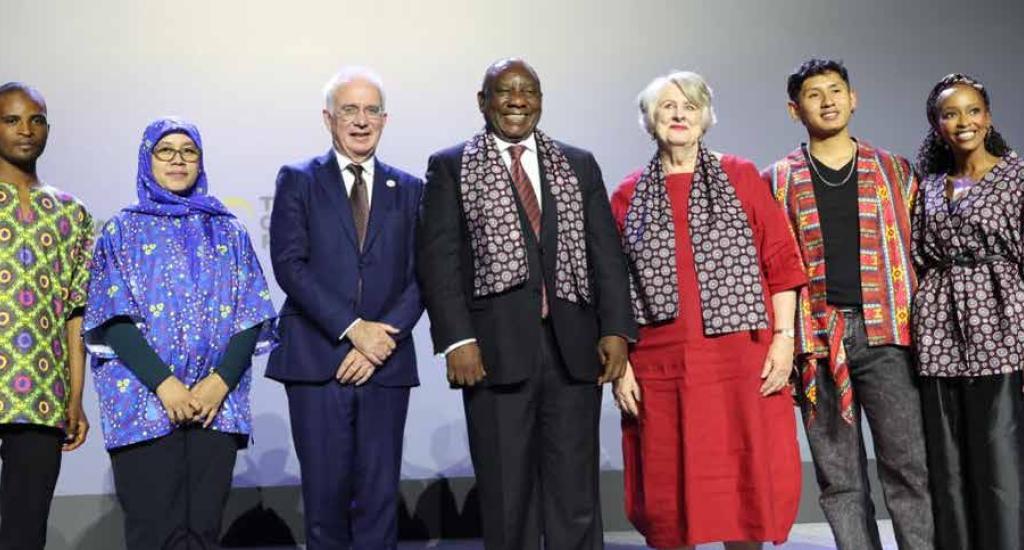
The Global Fund’s Eighth Replenishment Summit, held on the sidelines of the G20, took place just 10 days before the World Aids Day commemoration.
The summit marked a pivotal moment to accelerate the fight to end AIDS, tuberculosis (TB) and Malaria. These diseases have become our modern day triple evil that stands as a threats to humanity’s progress, especially in Africa. The gathering sought to strengthen resilient and sustainable health systems, and build a healthier, safer future for all.
Co-hosted by South Africa and the United Kingdom, the summit provided a platform to champion the values of solidarity, sustainability, innovation, equity and reform – principles that are at the heart of the Global Fund’s partnership model.
The Summit brought together distinguished Heads of State and Government, led by President Cyril Ramaphosa and British Prime Minister Keir Starmer, alongside civil society, community representatives, multilateral and bilateral partners, and the private sector. Pre-recorded solidarity messages – including one from Microsoft founder Bill Gates – reinforced support for securing the investments needed to expand lifesaving global health programmes.
The triple threats posed by Aids, TB and malaria remain a predicament to 23 million lives and stands as a hindrance to the global community ascending to a world free from the deadliest infectious diseases. The Global Fund Partners used the summit to demonstrate unity and resolve to sustain progress needed to help strengthen global health security.
Renewed solidarity
A defining moment of the summit came when it was announced that a total of US$11.34 billion had been pledged, despite the ongoing global challenges of geopolitical tensions and economic stagnation. This achievement not only marks renewed solidarity but also sets the stage for a more resilient, transformed global health system. True to the South African ethos of Ubuntu, "I am because you are," partners from around the world committed these billions to sustain the fight against AIDS, TB and malaria, save millions of lives, and strengthen health systems for the future.
Country-driven approach
Another key milestone of the summit was the renewed commitment to adopt a more country-driven approach, fostering partnerships that are better aligned with the evolving global health landscape. This approach aims to mobilise new donors, accelerate domestic resource mobilisation for health and enhance responsiveness to the shifting global health challenges.
With most domestic governments facing an increasing pressure on tightening their fiscals as seen with budget cuts, regional conflicts such as the turmoil in Sudan, and broader geopolitical challenges, these outcomes represent a powerful demonstration of unity in the face of adversity and the untamed human resolve in addressing global challenges.
Of utmost significance is the fact that several donors have yet to confirm their pledges, meaning the final outcome could surpass the current threshold.
Advocating for healthy populations
It is clear is that the triple threats of AIDS, malaria and TB not only challenge the current generation but also pose a grave risk to future ones. The cost of losing this battle would be even more dire for generations to come. In this context, President Cyril Ramaphosa did not mince his words, emphasising Africa’s growing leadership in global health and the continent’s pivotal role in shaping the future of global health initiatives.
“Without a healthy population, nations cannot prosper,” he said. “Today we celebrate the collective effort to end HIV, TB and Malaria across the globe. It is up to us to demonstrate that solidarity and collective action can prevail over division,” said the President.
He also announced that South African Government together with its private sector, pledged a total of US$36.6 million toward the replenishment effort.
The summit was attended by five Heads of State and Government, as well as representatives from more than 30 countries, alongside multilateral partners, philanthropies, businesses, civil society and community networks. This gathering served as a powerful display of unity in a world where protectionist border control policies threaten to reverse the gains of globalisation, including the free movement of people.
Several other African countries, alongside South Africa – each of which are implementers of Global Fund grants – made solidarity pledges totalling approximately US$51.59 million. What stands out about these African pledges is the powerful message they send: Africa is not a passive recipient, but rather a driving force in shaping its own health outcomes. This challenges the often one-dimensional portrayal of Africa in Western media, which frequently frames the continent as dependent or in need of charity.
The Gates Foundation, the Global Fund’s largest private donor, pledged US$912 million, while the Children’s Investment Fund Foundation committed an additional US$135 million, bringing their total pledge to US$200 million since the Seventh Replenishment. This marks a significant increase from their previous contributions.
President Ramaphosa concluded his remarks by stressing that continued partnership, guided by solidarity, sustainability, innovation and equality, will be crucial for the world to honour its commitments and maintain progress in the fight against global health challenges.