


Mountain Zebra National Park
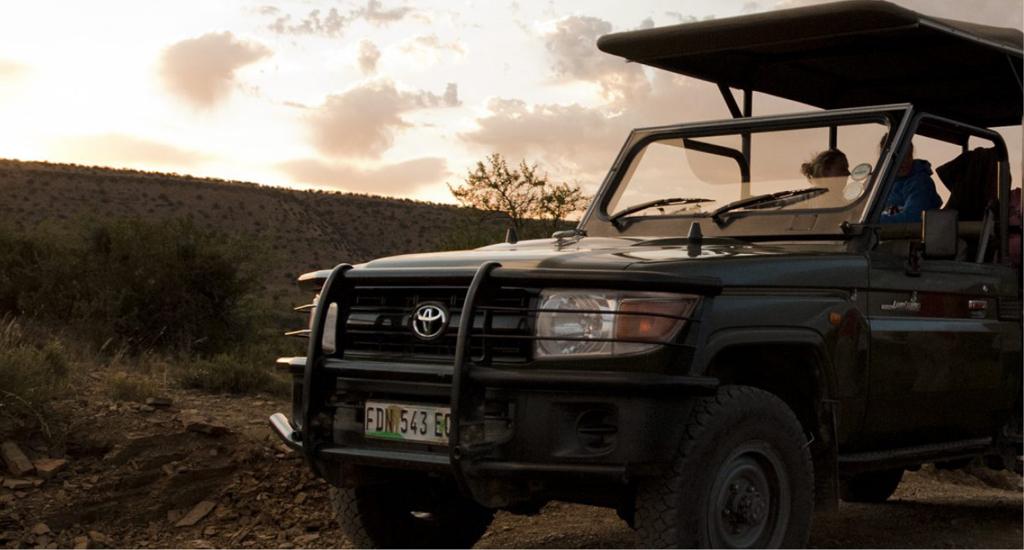
With its wide-open spaces, serene atmosphere, and spectacular sunsets, Mountain Zebra National Park in Cradock in the Eastern Cape is the perfect destination for those seeking a true Karoo wilderness experience – whether for solitude, photography or simply reconnecting with nature.
Invigorating crystal-clear air, beautiful scenery, tranquil ambience and an abundance of wildlife offer you a special and personal African wilderness experience.
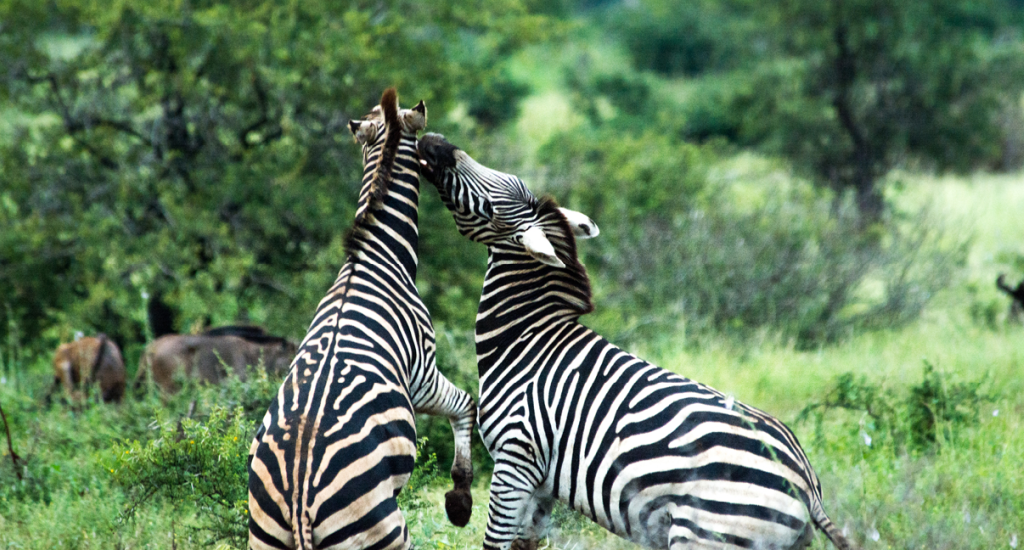
The craggy heights of the Bankberg mountain range, embrace rolling plains and deep valleys, have become an entrancing preserve for the Cape Mountain zebra. The proclamation of the park in 1937 saved these animals from extinction, and currently their population stands at over 300.
Other mammals found here include the cheetah, Cape buffalo, black rhino, eland, black wildebeest, red hartebeest and gemsbok, while mountain reedbuck and grey rhebok frequent the higher areas. Caracal occupies the niche of primary predator.
A historic backdrop
From prehistoric sites with concentrations of stone artifacts situated along the riverbanks and rock art panels on the mountain slopes, to historic farmsteads and cemeteries, Mountain Zebra National Park has acted as a backdrop for thousands of years of human history.
From 14 000 to 10 000 years ago, Later Stone Age inhabitants lived in the area now proclaimed as national park. Evidence of their settlements is found along the banks of the Wilger River. There are some 30 sites with pottery and stone artifacts that have been identified through research done by the University of Stellenbosch.
Rock painting
The San people left evidence of their lives about 300 years ago in at least three rock shelters containing rock art in the park. The paintings show an antelope, baboons, a large cat – possibly a leopard or cheetah – and human figures.
Visitors can view rock paintings in one of the shelters by hiring a park guide to show them the way. Although a fence protects the painting site, it is quite exciting to be able to stand less than a metre away from ancient artwork.
During the 1800s, British soldiers created a chessboard on the top of Saltpeterskop, a 1 514 m-high koppie in the park. While hiding out during the Anglo-Boer War, they played chess with their fellow soldiers in the old fort in Cradock, transmitting moves by means of a mirror, which had the official purpose of communicating warning signals.
The chessboard and the names of the soldiers are etched onto a flat slab of rock at the top of Saltpeterskop. Names recorded include the 5th Lancashire Fusiliers, the Coldstream Guards and some privates, corporals and a captain. The chessboard is still visible today but not accessible to visitors.
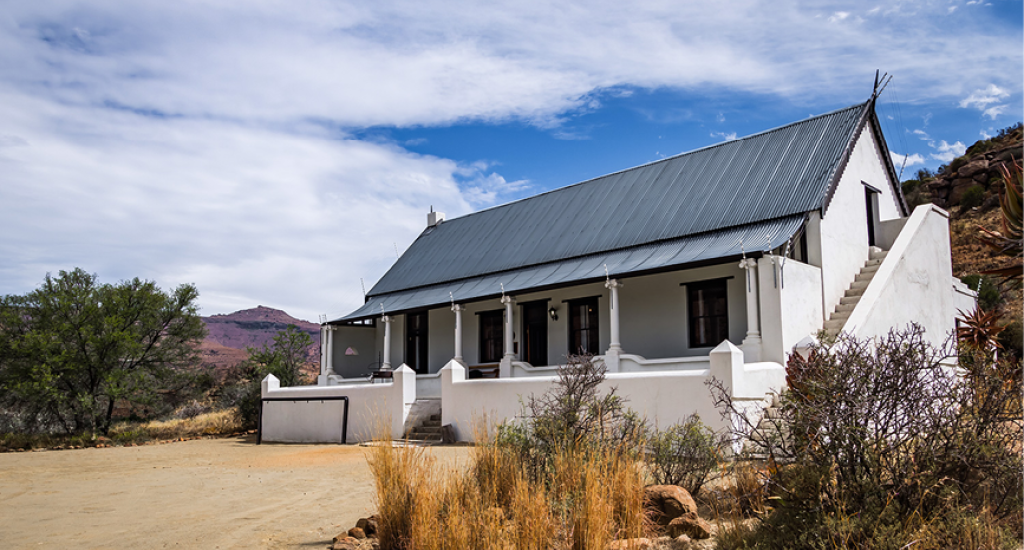
The legacy of settlers who moved into the area and set up farms during the Great Trek of 1836 still stands today. In 1838, one of the first permanent farmhouses in the area was constructed on the farm De Doornkloof, then owned by Hendrik Jacobus van Heerden. The house known as Doornhoek, declared a national monument in 1986, was restored and is still used as a guesthouse in the park. It is popular with those who want a tranquil family getaway overlooking a lake, with spectacular star-gazing vistas at night.
An archaeological survey of the Mountain Zebra National Parks was undertaken in 1973 at the request of the then National Parks Board of Trustees. Thirty archaeological sites were located during the survey. These include three small rock shelters which include San rock art and 27 open sites.
Conservation efforts
In 1937, 1 712 hectares of land was proclaimed as the Mountain Zebra National Park. Thanks to the conservation efforts of farmers in the area, small herds of the endangered Cape Mountain zebra still survived in the area, and these provided a founder population for the park. The park’s Cape mountain zebra herd now numbers over 350 animals.
The park expanded slowly over the years but received a boost with a joint public-private conservation initiative. Artist David Shepherd kick-started the initiative by donating prints of his works, “Mountain Zebra: A Vision in Black and White” in 1996 and “Cheetahs” in 1998 so that money could be raised to buy surrounding farms and expand the size of the park.
SABC’s 50/50 environmental TV programme shared the story with viewers to encourage them to buy prints and raise funds. The response was fantastic and caused private individuals and businesses to make donations, including The Barbara Delano Foundation, WildAid, Sasol and Vesta Medicines. The South African National Parks Trust matched all of the funds that were raised.
Nine surrounding farms were purchased through this process, enabling the park to expand from 6 536 hectares to 28 412 hectares in size. Following this, black rhinos, buffalo and finally cheetahs could be introduced to the park.
On offer
The park offers routes for hiking, guided walks and 4x4 trails, game drives, wild cheetah tracking, bird viewing and picnic and braai sites.
Visitors can explore the park at their own leisure in their own vehicle on almost 70 km of tourist roads. There are 4x4 trails to be explored, with the Juriesdam and Sonnerust trails being relatively easy drives and the Umgeni trail being more challenging. Explore hiking trails ranging from 1 km to 25 km to get close to nature in the park or take a guided walk with a qualified, knowledgeable guide.
The park also provides the unique opportunity of tracking wild cheetahs with the chance to observe these cats in their natural habitat. Drive out with your guide to search for the elusive cheetahs. When a signal from a collared cheetah is found, you will have the opportunity to get closer on foot.
Other attractions
Mountain Zebra Park is situated 2 km from the town of Cradock and offers an excellent day visitor destination for those staying in town. Visitors staying in the park can explore nearby tourist and historical attractions in Cradock, such as Schreiner House Museum, die Tuishuise and Victoria Manor on Market Street, and Lingelighle township. Highlights of the township tour include the Vusubuntu Cultural Village and the Cradock Four Garden of Remembrance. Lingelihle is famous for its struggle icons, amongst others, the Cradock Four (Matthew Goniwe, Fort Calata, Sparrow Mkhonto and Siklo Mhlauli) and Canon JA Calata, the longest serving Secretary General of the African National Congress.
videos & photos