


Fighting corruption to
protect our democracy
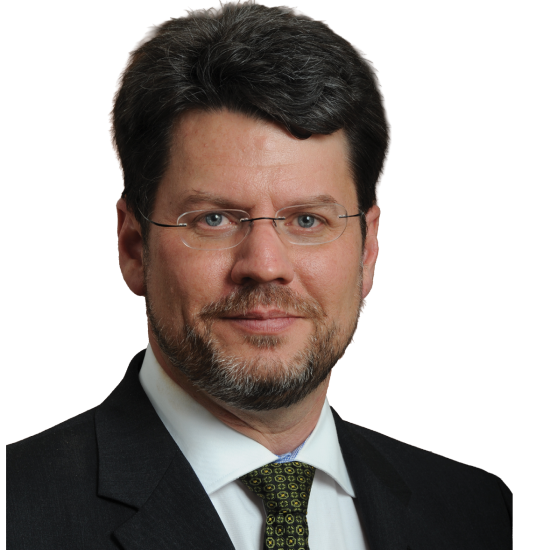
As South Africa marks over three decades of democracy, the fight against corruption remains central to strengthening governance and restoring public trust. Deputy Minister of Justice and Constitutional Development, Andries Nel, has reiterated government's commitment to supporting institutions that uphold integrity and accountability, especially the Office of the Public Protector.
"The Public Protector has done many public interest cases – the Sarafina case, the Arms Deal, State of Capture which led to the Zondo Commission – but the real power of the Public Protector lies in the cases that never receive any publicity," he said. “It is the poor woman who is wanting her social grant and there is an arrogant and corrupt official who is demanding a kickback to pay out a social pension. Or someone who is sitting with their hands in their hair because a municipality is coming up with an absurd water and electricity bill.”
These everyday cases reflect what government’s anti-corruption efforts aim to achieve: accountability, fairness and justice.“
Nel described the Office of the Public Protector as “one of those institutions which is absolutely foundational to our constitutional democracy”. Its establishment was envisioned during South Africa’s transition from apartheid to democracy.
Protecting democracy
The Constitution’s architects anticipated that corruption would test the young democracy. “Those who were responsible for negotiating and drafting the Constitution foresaw that the day will come when, notwithstanding the promise and commitment of our Constitution, wrong things will happen in our society," he said.
"Today, when we are witnessing day-by-day what is unfolding in the Madlanga Commission and others, it pains us very deeply to see those things because they go against the letter and the spirit of our Constitution. But at the same time, we are not surprised, because we knew that this day would come — and that is the reason we established and built those institutions; to protect ourselves against ourselves."
Fighting corruption
Since its establishment on 1 October 1995, the Office of the Public Protector has played a critical role in investigating, exposing, and preventing corruption. From Sarafina II (1996) — which investigated the Department of Health's use of a R14.3 million EU donation — to the multi-agency Arms Deal probe and the State of Capture investigation that gave rise to the Zondo Commission, the institution has demonstrated its courage and independence.
Through systemic investigations, the Office identifies structural challenges and recommends reforms to improve public service delivery.
Nel said the fight against corruption is deeply connected to the protection of human dignity. "There are certain goals and visions contained in our Constitution — of building a better quality of life, freeing the potential of each person, of building a government that is founded on the will of the people, on openness, on transparency, on ensuring that every citizen has equal protection of the law," he said.
“Those values are central to human dignity and they are absolutely incompatible with corruption and maladministration and abuse of power," he added.
The effects of corruption
Corruption undermines the state’s ability to deliver basic services and denies people their dignity. “You can’t advance human dignity where people, through their corruption, are preventing others from having access to the most basic of services — access to water, roads, electricity, healthcare. Those are all indispensable to human dignity, and those are the things that are attacked and undermined by corruption.”
Despite financial constraints, Nel reaffirmed government's continued investment in anti-corruption institutions. "We support and respect the Public Protector's work," he said. “That is evidenced at a time of serious fiscal constraints when many departments are having their budgets slashed.”
He noted that “the National Treasury, in the current fiscal year, increased the budget of the Public Protector South Africa. Furthermore, we have provided money out of the Criminal Asset Recovery Account to the tune of R48 million over the next three years to help build the capacity of the Public Protector because we recognise the indispensable role it plays.”
Serving the people
In 2024/25, the Office of the Public Protector managed more than 10 000 cases, finalised two systemic investigations, and conducted 147 stakeholder engagements across the country. The Office has also improved the quality of its work, with litigation against investigation reports dropping dramatically — from 39 judicial reviews between 2019 and 2022 to just one in 2023/24.
Government has allocated additional R20 million for the 2025/26 financial year to further strengthen the Office’s capacity.
For Nel, the fight against corruption is ultimately about rebuilding trust between citizens and the State.
videos & photos