


The timeless spirit of Mapungubwe National
Park and World Heritage Site
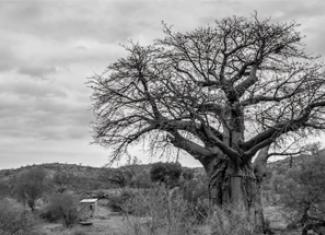
There is something about being in Mapungubwe that feels like you have taken a time capsule back into a very ancient past. Perhaps it is the ancient baobab trees that are millennia old, with their towering canopies standing like wise old sentinels guarding the land.
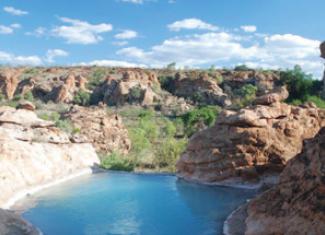
Or it could be the rocky sandstone escarpment with its golden brown hues and lush green forests and savannah landscape that reminds us of how nature and people co-existed for centuries.
Most likely, though, it is the profound knowing that you are standing upon sacred ground, once home to an extraordinary African civilisation that flourished here between 900 and 1300 AD.
Ancient civilisation
Mapungubwe National Park is the location of this ancient civilisation. Not only is it one of SANParks' most treasured destinations but it is also a United Nations Educational, Scientific and Cultural Organization World Heritage Site honoured for its archaeological and cultural significance.
Located in the far North of Limpopo, approximately 450 kilometres from Johannesburg and 200 kilometres from Polokwane, it is a place where history, culture, and ecology intertwine.
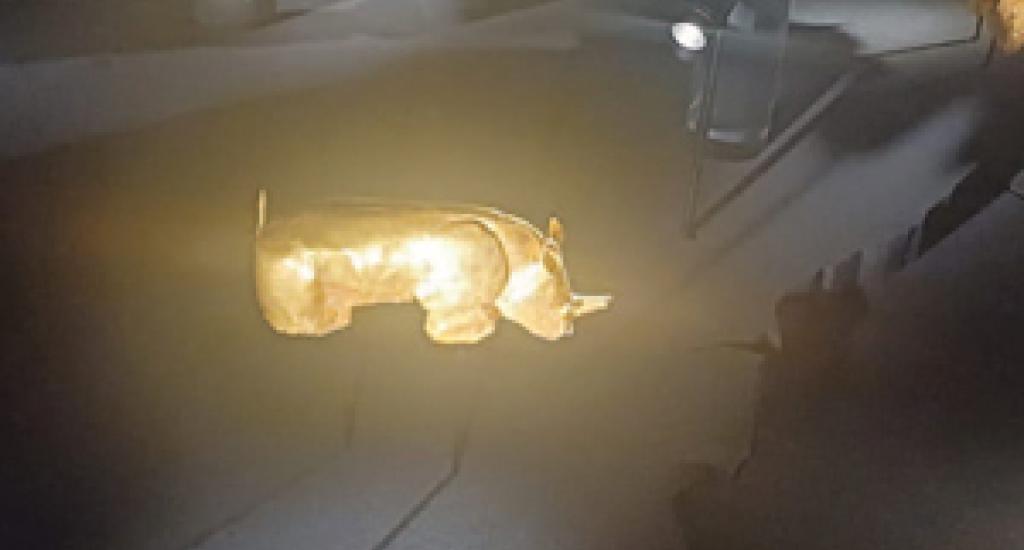
The Kingdom of Mapungubwe was among Southern Africa's earliest civilisations, a thriving society renowned for trading gold and ivory with East Asian countries such as China and India. The area has hundreds of archaeological sites, including San rock art sites predominantly in the eastern side of the park which are estimated to be 15 000 years old and renowned iron age settlement of K2 and Mapungubwe Hill where the legendary golden rhino, sceptre and other gold artifacts were found.
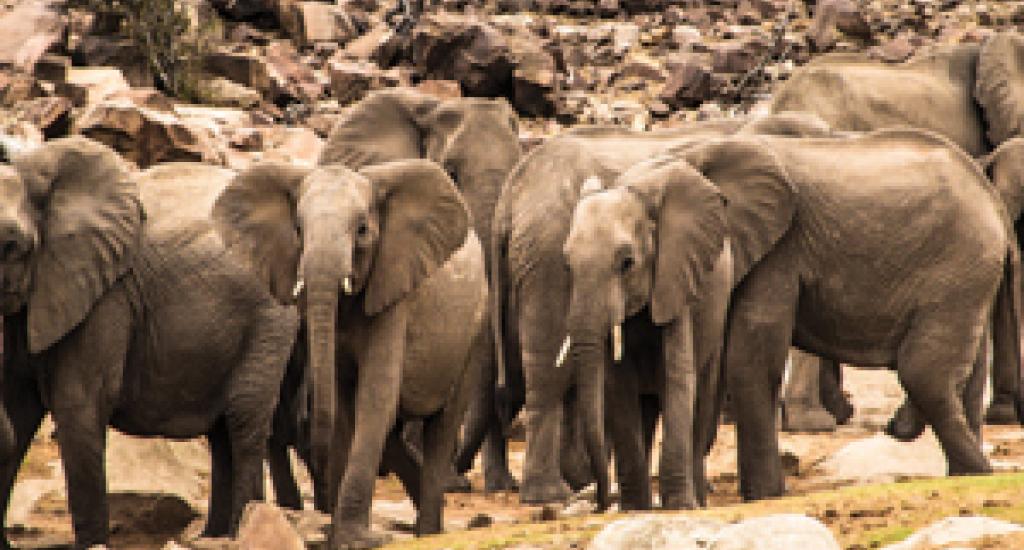
Yet Mapungubwe is far more than an archaeological wonder. It is also a Big Four park, home to lion, leopard, elephant and rhinoceros, along with a spectacular diversity of birdlife.
Confluence Viewpoint
The park invites visitors to explore at their own pace, with scenic self-drive routes leading to its most iconic landmarks. Chief among them is the Confluence Viewpoint, where the Shashe and Limpopo rivers merge, a breathtaking spot that also marks the meeting point of three countries: South Africa, Botswana and Zimbabwe.
Here, you can enjoy a picnic or braai beneath the shade of mighty baobabs, with various viewpoints providing panoramic views of the rivers and valley below.
A tour back into history
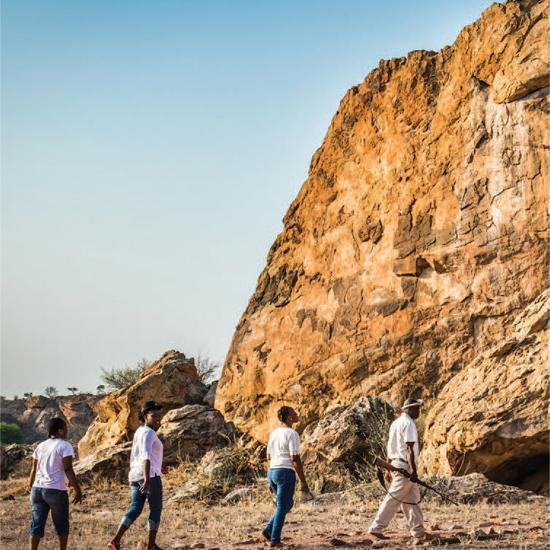
One of the highlights of a visit to Mapungubwe National Park is to book a guided heritage tour which includes a hike to Mapungubwe Hill and a visit to the Interpretation Centre.
The park’s guides are incredibly knowledgeable regarding the history and cultural significance with some of them having been born in the communities surrounding the park.
They will take you to the archaeological site which demonstrates the many stages within the settlements’ history and finally up to the sacred hill, where the royal families lived and the golden artifacts were found.
Nothing can explain the feeling of standing on top of the hill overlooking the valleys below and imagining in awe at how just over a thousand years ago a thriving culture existed.
The tour ends with museum visit at the Interpretation Centre, where you will be able to view and learn about some of the artifacts and sacred objects (glass beads, shells, clay pots and tools ) that were found at not only Mapungubwe hill but also at various locations within the park.
Braai in the river
Then comes one of my personal highlights: the bush braai in the middle of the Limpopo River (offered during the dry season).
Your guide will collect you from camp for a scenic sunset drive through the park. As dusk settles, you will arrive at the riverbed, transformed into a magical outdoor dining spot beneath a canopy of stars, with Zimbabwe just 50 metres away. It is a moment that feels both intimate and infinite, where borders blur and nature takes centre stage.
Guests are able to self-drive throughout the main areas in the park but can also book game drives with additional activities such as morning or afternoon guided bushwalks available.
Accommodation
There are four accommodation options, each offering a different kind of wilderness experience.
Leokwe Rest Camp, nestled among striking sandstone formations, serves as the main camp and offers a range of self catering chalets ideal for couples or families
For small groups seeking privacy and exclusivity, Tshugulu Lodge is perfect as it accommodates up to 12 guests, giving you and your companions the entire lodge to yourselves.
From exploring cultural heritage, to visiting bucket list worthy sites to game drives and bush braais or even if you just want peace and serenity, Mapungubwe National Park has it all.
For travellers drawn to culture and connection, the park also hosts the annual Mapungubwe Lecture Series, a curated weekend experience that combines expert talks, cultural performances, guided tours and a traditional music festival.
The event has quickly become a not-to-be-missed pilgrimage for lovers of travel, heritage and art, offering a rare opportunity to engage with the spirit of Mapungubwe in a deeply meaningful way.
videos & photos