



A BigFive escape
on Pretoria’s doorstep
In early May, I discovered a slice of wilderness I had long overlooked. Just under an hour’s drive from my home, Dinokeng Game Reserve – Gauteng’s first and only free-roaming Big Five reserve – proved that you do not need to venture far to experience the magic of the bush.
Tucked away in the northeastern reaches of Tshwane, Dinokeng offers an unexpectedly immersive safari experience, one that feels worlds away from the city despite its proximity. For someone who had never spent a night at a game reserve before, the ease of access alone was a revelation. I had always assumed that encountering the Big Five would require an expensive trip.
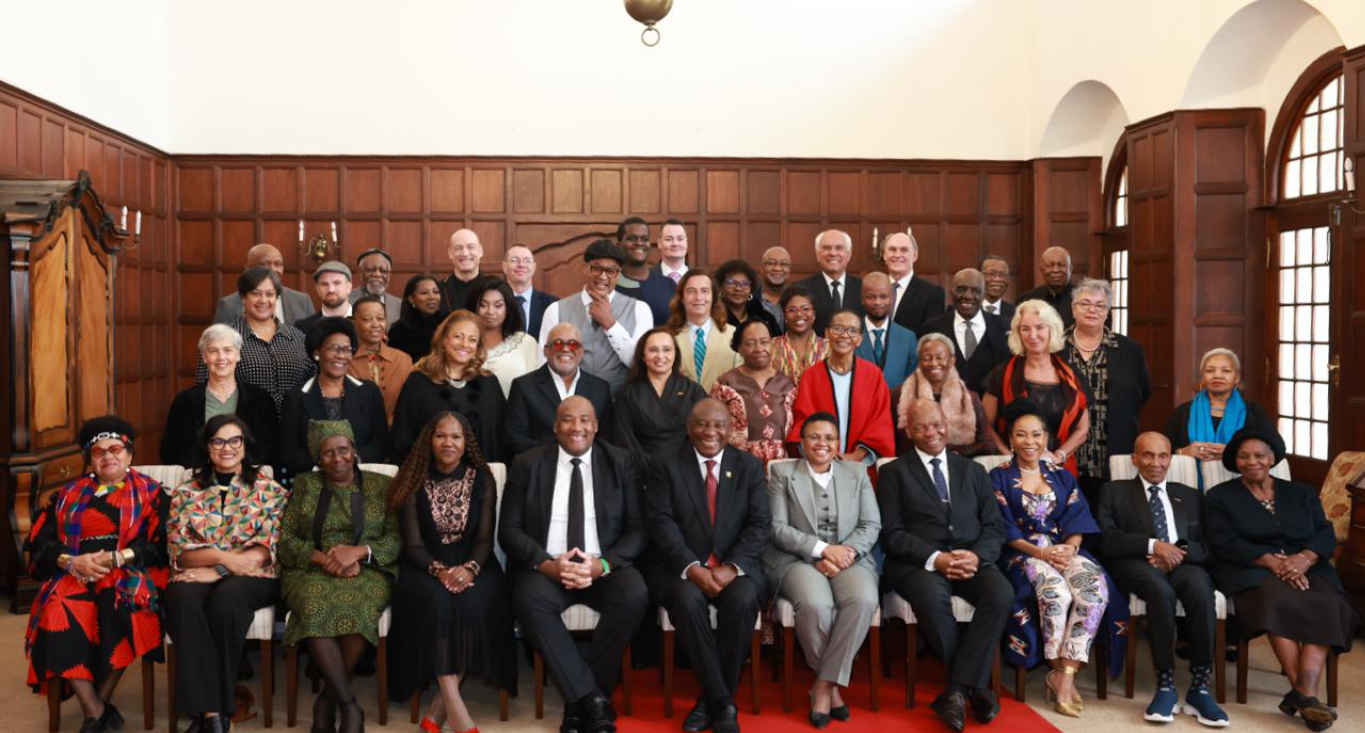
My visit formed part of the Meeting Dinokeng Showcase, a two-day event hosted by the Gauteng Department of Environment, in partnership with the City of Tshwane and other stakeholders.
The showcase brought together an impressive array of delegates from over 40 countries, including representatives from Peru, China, Lithuania, Ghana, Japan, Malaysia, the Democratic Republic of Congo and Liberia
The game drive
To make the most of the experience, delegates were divided into two groups. One set off to explore nearby attractions such as the scenic Roodeplaat Dam and the historic Cullinan Diamond Mine. I, however, found myself in the fortunate half – the group eager to immerse in the raw beauty of the reserve and encounter, firsthand, what nature had to offer.
Our game drive was led by Sally Pale of Kekana Gardens in Hammanskraal – one of only three women among the reserve’s 20 tour guides. Her calm confidence and deep knowledge of the bush added a distinctive touch to the experience.
Joining me were Malaysia’s High Commissioner Dato’ Yubazlan Haji Yusof and his Third Secretary Nazrul Firzadh Yunus. What began as a polite introduction quickly gave way to warm conversation, and by the time we ventured deeper into the reserve, we had formed an easy camaraderie that made the journey all the more memorable.
Our vehicle wound its way through the bushveld with each turn revealing a new spectacle. We experienced all sorts of emotions as we saw a variety of wild animals at close range.
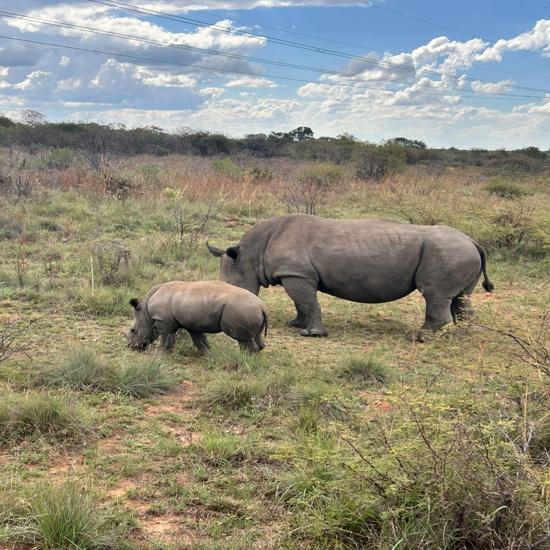
We spotted a confusion of blue wildebeest moving across the plains, a white rhinoceros with its calf grazing quietly and a pack of black-backed jackals weaving through the grass.
A herd of greater kudu stood elegantly among the trees, while a tower of giraffes browsed lazily nearby. Zebras gathered in a striking dazzle, and impalas moved gracefully through the landscape, completing the vibrant scene.
All of this unfolded over the course of a three-hour drive. Pale was patient with our bursts of enthusiasm, pausing often to allow us to take it all in, while sharing fascinating insights into the animals’ behaviour, diets and survival instincts.
Her storytelling brought the landscape to life in a way that felt both educational and deeply personal. By the time we stopped for a late lunch, I felt a quiet sense of renewal, as though the bush had gently lifted the weight of everyday concerns.
About Dinokeng
Dinokeng, also dubbed one of Gauteng’s flagship eco-tourism projects, was established in 2011, through a public-private partnership between the Gauteng Provincial Government and private landowners.
This collaborative model is at the heart of its success: while the reserve is responsible for wildlife conservation and environmental management, private landowners provide a diverse range of accommodation options, giving visitors the freedom to tailor their stay.
Beyond its appeal as a leisure destination, Dinokeng has made a meaningful socio-economic impact, creating approximately 800 direct jobs and thousands more indirectly. It forms part of the broader Dinokeng-Roodeplaat-Cullinan tourism hub, an initiative designed to diversify Gauteng’s tourism offering beyond its traditional focus on business travel and retail experiences.
Attractions
The Roodeplaat Dam offers a different kind of attraction. Situated just north of Pretoria, it has earned international recognition as a high-performance training site for canoeing and water sports. Perched at an altitude of 1 200 metres, it continues to draw elite athletes from around the world.
Further east lies the historic Cullinan Diamond Mine, a cornerstone of South Africa’s mineral heritage. It is here that the legendary 3 106-carat Cullinan Diamond, still the largest gem-quality diamond ever discovered, was unearthed.
Back in Dinokeng, however, the focus returns to the untamed beauty of the bush. Spanning roughly 22 000 hectares, the reserve is home to more than 80 lodges and tented camps, including intimate retreats such as Leadwood Safari Camp.
Whether opting for a self-drive adventure or a guided game drive, visitors are immersed in a malaria-free wilderness that feels both accessible and authentic.
More than just a destination, Dinokeng represents a vision for the future of conservation; one that balances tourism, community upliftment and environmental stewardship.
It is a place where people and wildlife coexist, and where, even if only for a weekend, the demands of modern life give way to the restorative rhythm of nature.
When to visit
The reserve is ideal for a spontaneous weekend, although it operates every day of the week, where the highlight is doing very little, apart from spotting wildlife, enjoying a quiet braai and soaking up that bushveld silence.
My Malaysian companions and I were hosted at the charming Tshikwalo Lodge, a tranquil retreat nestled within the reserve. Just a short 15-minute drive away, Mongena Private Game Lodge set the scene for an elegant evening dinner, offering yet another perspective on Dinokeng’s diverse hospitality.
The following morning, we gathered for breakfast in the open-air boma at Kwalata Lodge, surrounded by the gentle sounds of nature.
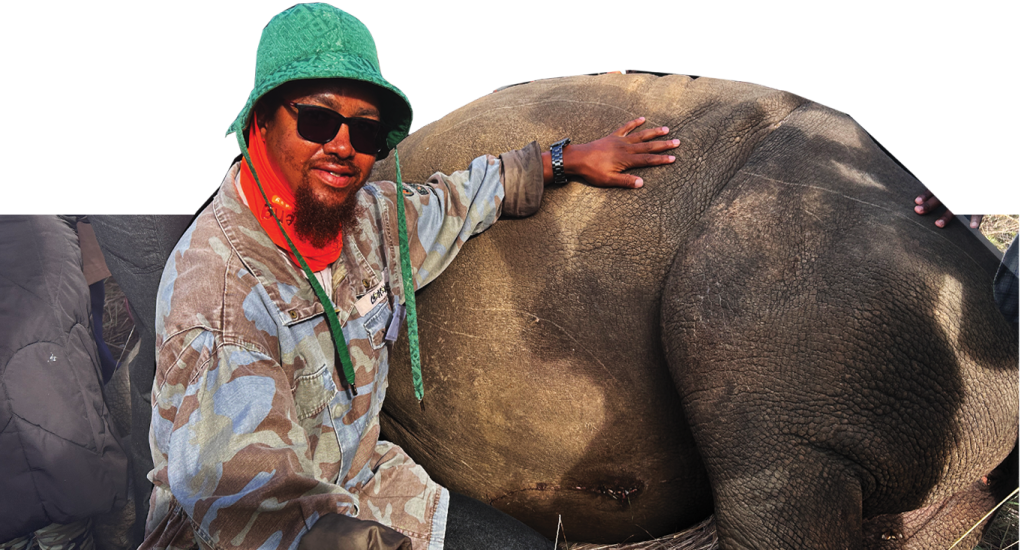
From there, we ventured into the bush to witness a conservation effort few ever get to see firsthand: a team of professional rangers and veterinarians carefully tracking and safely immobilising a rhino to fit a GPS tracking device to its horn.
It was a life-changing moment. Watching the precision, care and dedication of the team at work offered a powerful reminder of what it takes to protect endangered species.
videos & photos