



The JETC outcomes: A reflective look at a strategic economic partnership
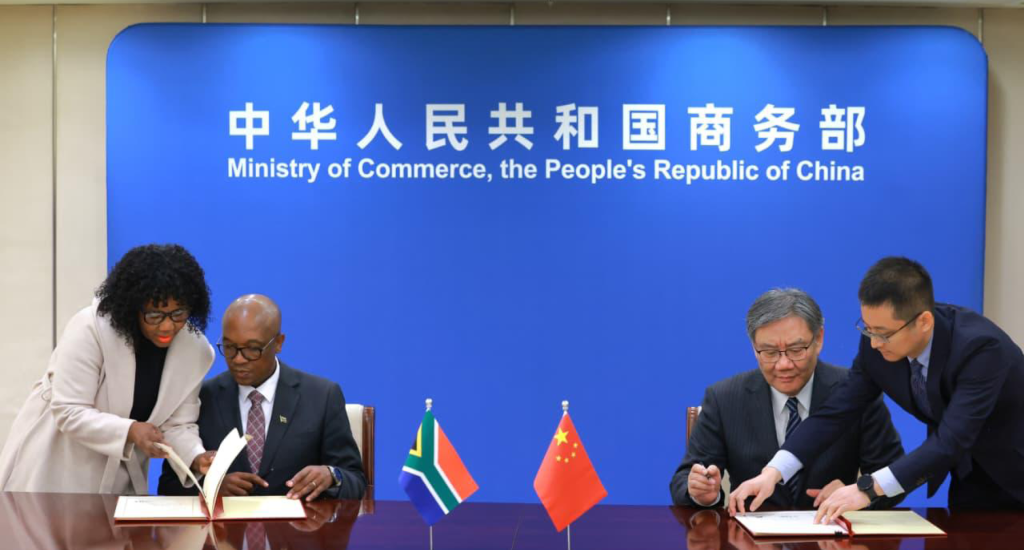
In a global environment marked by shifting alliances, supply chain realignments and a growing emphasis on industrial resilience, South Africa’s engagement with China through the Joint Economic and Trade Commission (JETC) represents more than a routine diplomatic exercise. It signals a recalibration of economic priorities, an opportunity to deepen strategic cooperation, and a chance to reposition South African exports and industries within one of the world’s most significant markets.
The latest JETC engagements, which took place in 2024, created space for a comprehensive review of bilateral trade and investment relations between the two countries. At a time when South Africa is seeking to stimulate growth, expand industrial capacity and increase export competitiveness, these discussions served as both a stock-taking exercise and a forward-looking platform.
They provided an opportunity to assess what has worked, identify gaps, and set out a clear path for strengthening cooperation in areas that can deliver meaningful economic impact.
Reviewing trade approach
Central to South Africa’s presentation was an ambitious 8-Point Plan aimed at transforming the nature of trade with China. Historically, the trade relationship has been characterised by South Africa exporting largely raw materials while importing finished goods. The new approach seeks to shift this pattern by increasing the export of agricultural products and value-added manufactured goods.
The intention is not only to expand export volumes but also to enhance the quality and diversity of South Africa’s offerings, positioning local industries to capture more value in global supply chains.
The Department of Trade, Industry and Competition, working alongside industry bodies and export councils, has already taken concrete steps in this direction. A list of the Top 100 products with strong potential for export to China has been identified, with plans underway to refine and expand this selection.
This process reflects a targeted and evidence-based approach, focusing on products where South Africa has competitive advantages or growth potential. It also signals a shift from broad aspirations to practical, sector-specific interventions designed to unlock market access.
Alongside export promotion, the 8-Point Plan places strong emphasis on attracting increased Chinese investment into key productive sectors.
Automotive manufacturing, mineral processing and the steel industry have been identified as priority areas. These sectors are deeply connected to South Africa’s industrial development goals, employment creation strategies and long-term competitiveness.
Increased investment could help strengthen local production capacity, support technology transfer and create opportunities for downstream value addition.
Economic partnership
A significant outcome of the JETC discussions was the signing of a framework agreement on economic partnership for shared prosperity. This agreement lays the groundwork for deeper cooperation and structured negotiations across several critical areas.
These include trade, investment, mineral processing, supply chain development, energy collaboration and financing mechanisms.
Collectively, these focus areas reflect a comprehensive vision of partnership that extends beyond simple trade transactions to broader economic integration.
The first phase of negotiations will focus on an Early Harvest Agreement. This initial step is designed to deliver tangible and immediate benefits by securing 100% duty-free market access into China for selected South African products. For exporters, this represents a significant opportunity.
Reduced tariffs can enhance competitiveness, open new market channels and increase the attractiveness of South African goods in a highly competitive environment.
The approach to this agreement has been carefully structured, with consultation forming a central pillar. Over the past year, Trade, Industry and Competition Minister Parks Tau engaged business and labour stakeholders, including through the National Economic Development and Labour Council.
These consultations were aimed at ensuring alignment, addressing concerns and building consensus around the direction of the proposed trade arrangements.
Importantly, an agreement was reached that government could proceed with signing the Comprehensive Africa-China Economic Partnership Agreement while continuing trade discussions, provided that necessary safeguards are in place.
This reflects a pragmatic balance between advancing economic opportunities and protecting domestic interests. It also highlights the importance of inclusive policymaking, where the voices of industry and labour are incorporated into decisions that will shape the country’s economic future.
Consultation will remain an ongoing process. As negotiations with China progress, business and labour stakeholders will continue to be engaged. This sustained dialogue is essential, not only for maintaining trust but also for ensuring that the final outcomes reflect the realities on the ground.
Trade agreements are most effective when they are understood, supported and actively utilised by the sectors they are meant to benefit.
Opportunities for local business
For South African exporters and manufacturers, the practical implications of these developments could be substantial. Key sectors such as automotive, mineral processing and white goods manufacturing stand to gain from improved market access and increased investment flows.
Duty-free entry into China for selected products could lower barriers that have historically limited participation, enabling companies to scale up production and explore new growth pathways.
The potential benefits extend beyond large corporations. Small and medium-sized enterprises involved in value-added manufacturing, component supply, or agro-processing could find new opportunities to enter or expand within the Chinese market.
With the right support structures, these firms could become important contributors to export growth and industrial diversification.
Commitment
The timeline for progress is ambitious. Both sides have indicated a commitment to finalising the Early Harvest Agreement by the end of March 2026. If achieved, this would mark a significant milestone in the bilateral relationship and provide an early signal of the partnership’s potential.
Ultimately, the outcomes of the JETC and the 8-Point Plan represent more than policy statements. They reflect an evolving strategy to reposition South Africa within the global economy, strengthen industrial capabilities and deepen ties with one of its most important trading partners.
While challenges remain, the framework now in place offers a foundation for progress.
As negotiations unfold and implementation begins, the true measure of success will be seen in the extent to which these initiatives translate into expanded exports, increased investment, job creation and a more diversified industrial base.
For South Africa, the moment presents both an opportunity and a responsibility: to turn strategic intent into tangible economic outcomes that support inclusive growth and shared prosperity. ❖ outcomes: A reflective look at a strategic economic partnership
In a global environment marked by shifting alliances, supply chain realignments and a growing emphasis on industrial resilience, South Africa’s engagement with China through the Joint Economic and Trade Commission (JETC) represents more than a routine diplomatic exercise. It signals a recalibration of economic priorities, an opportunity to deepen strategic cooperation, and a chance to reposition South African exports and industries within one of the world’s most significant markets.
The latest JETC engagements, which took place in 2024, created space for a comprehensive review of bilateral trade and investment relations between the two countries. At a time when South Africa is seeking to stimulate growth, expand industrial capacity and increase export competitiveness, these discussions served as both a stock-taking exercise and a forward-looking platform.
They provided an opportunity to assess what has worked, identify gaps, and set out a clear path for strengthening cooperation in areas that can deliver meaningful economic impact.
Reviewing trade approach
Central to South Africa’s presentation was an ambitious 8-Point Plan aimed at transforming the nature of trade with China. Historically, the trade relationship has been characterised by South Africa exporting largely raw materials while importing finished goods. The new approach seeks to shift this pattern by increasing the export of agricultural products and value-added manufactured goods.
The intention is not only to expand export volumes but also to enhance the quality and diversity of South Africa’s offerings, positioning local industries to capture more value in global supply chains.
The Department of Trade, Industry and Competition, working alongside industry bodies and export councils, has already taken concrete steps in this direction. A list of the Top 100 products with strong potential for export to China has been identified, with plans underway to refine and expand this selection.
This process reflects a targeted and evidence-based approach, focusing on products where South Africa has competitive advantages or growth potential. It also signals a shift from broad aspirations to practical, sector-specific interventions designed to unlock market access.
Alongside export promotion, the 8-Point Plan places strong emphasis on attracting increased Chinese investment into key productive sectors.
Automotive manufacturing, mineral processing and the steel industry have been identified as priority areas. These sectors are deeply connected to South Africa’s industrial development goals, employment creation strategies and long-term competitiveness.
Increased investment could help strengthen local production capacity, support technology transfer and create opportunities for downstream value addition.
Economic partnership
A significant outcome of the JETC discussions was the signing of a framework agreement on economic partnership for shared prosperity. This agreement lays the groundwork for deeper cooperation and structured negotiations across several critical areas.
These include trade, investment, mineral processing, supply chain development, energy collaboration and financing mechanisms.
Collectively, these focus areas reflect a comprehensive vision of partnership that extends beyond simple trade transactions to broader economic integration.
The first phase of negotiations will focus on an Early Harvest Agreement. This initial step is designed to deliver tangible and immediate benefits by securing 100% duty-free market access into China for selected South African products. For exporters, this represents a significant opportunity.
Reduced tariffs can enhance competitiveness, open new market channels and increase the attractiveness of South African goods in a highly competitive environment.
The approach to this agreement has been carefully structured, with consultation forming a central pillar. Over the past year, Trade, Industry and Competition Minister Parks Tau engaged business and labour stakeholders, including through the National Economic Development and Labour Council.
These consultations were aimed at ensuring alignment, addressing concerns and building consensus around the direction of the proposed trade arrangements.
Importantly, an agreement was reached that government could proceed with signing the Comprehensive Africa-China Economic Partnership Agreement while continuing trade discussions, provided that necessary safeguards are in place.
This reflects a pragmatic balance between advancing economic opportunities and protecting domestic interests. It also highlights the importance of inclusive policymaking, where the voices of industry and labour are incorporated into decisions that will shape the country’s economic future.
Consultation will remain an ongoing process. As negotiations with China progress, business and labour stakeholders will continue to be engaged. This sustained dialogue is essential, not only for maintaining trust but also for ensuring that the final outcomes reflect the realities on the ground.
Trade agreements are most effective when they are understood, supported and actively utilised by the sectors they are meant to benefit.
Opportunities for local business
For South African exporters and manufacturers, the practical implications of these developments could be substantial. Key sectors such as automotive, mineral processing and white goods manufacturing stand to gain from improved market access and increased investment flows.
Duty-free entry into China for selected products could lower barriers that have historically limited participation, enabling companies to scale up production and explore new growth pathways.
The potential benefits extend beyond large corporations. Small and medium-sized enterprises involved in value-added manufacturing, component supply, or agro-processing could find new opportunities to enter or expand within the Chinese market.
With the right support structures, these firms could become important contributors to export growth and industrial diversification.
Commitment
The timeline for progress is ambitious. Both sides have indicated a commitment to finalising the Early Harvest Agreement by the end of March 2026. If achieved, this would mark a significant milestone in the bilateral relationship and provide an early signal of the partnership’s potential.
Ultimately, the outcomes of the JETC and the 8-Point Plan represent more than policy statements. They reflect an evolving strategy to reposition South Africa within the global economy, strengthen industrial capabilities and deepen ties with one of its most important trading partners.
While challenges remain, the framework now in place offers a foundation for progress.
As negotiations unfold and implementation begins, the true measure of success will be seen in the extent to which these initiatives translate into expanded exports, increased investment, job creation and a more diversified industrial base.
For South Africa, the moment presents both an opportunity and a responsibility: to turn strategic intent into tangible economic outcomes that support inclusive growth and shared prosperity. ❖
videos & photos