


Rail Regulator CEO
trudges into a New Era of Safety and Recovery
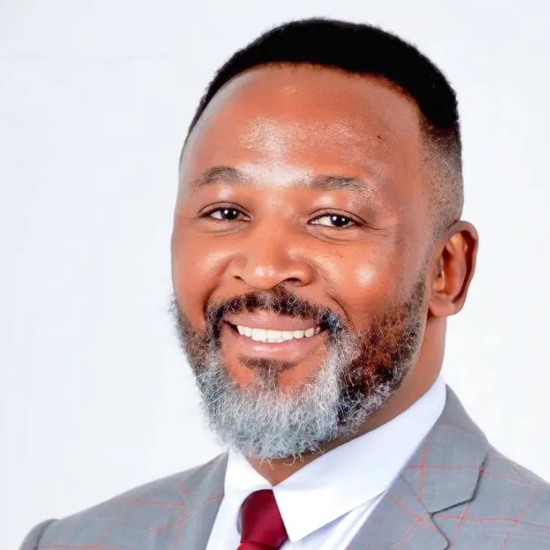
The Railway Safety Regulator (RSR) has entered a decisive new chapter with the appointment of Brian Monakali as Chief Executive Officer (CEO). His appointment brings long-awaited leadership stability to the organisation after more than two years without a permanent CEO. It also comes at a pivotal moment as the sector implements the Railway Safety Act of 2024, which seeks to modernise, strengthen and redefine rail safety in South Africa.
Monakali stepped into the role with more than 25 years of multidisciplinary experience, including over 14 years in the rail sector and a decade in executive positions within the mining industry. His career includes leadership roles at South32, Transnet Freight Rail, Lonmin Platinum, Unilever and the Municipality of Port Elizabeth (now Nelson Mandela Bay Municipality).
He is internationally recognised for his leadership in the heavy-haul rail sector, having served as the former Global Chairperson of the International Heavy Haul Association. In this role, he led the development of the Heavy Haul Vision 2030 – Digital Rail 4.0 strategy, which was adopted by ten countries in 2023.
As the Founder and Chairperson of the South African Heavy Haul Association, he continues to drive excellence, innovation and collaboration across the heavy-haul industry.
Rebuilding the rail sector
Speaking to Public Sector Manager magazine magazine shortly after his appointment, Monakali underscored the urgency of rebuilding the rail sector while ensuring that safety remains paramount.
“This is a critical time for the rail sector – the recovery in operations and safety performance,” he said. “...we are working with the industry to identify areas of collaboration to ensure a safe recovery. When we have more trains running, more risks are introduced. We are collaborating with the industry, operators to be more specific, on what can be done to ensure that we together work on achieving a safe recovery”.
Central to this recovery, he noted, is the intelligent use of data to anticipate risks rather than react to them. “There are a number of initiatives that we are exploring, such as the use of data – how do we use the data on things such as incidents that have already occurred and data on the condition of the rail network?” he explained.
“The data is coming from the inspections that are done on the system, and how do we use those to identify where the hotspots are and where the challenges are and be more predictable...Driving a culture of being more proactive in our approach and the use of data is going to be at the centre of it”.
Economic growth
Monakali sees the sector’s recovery not only as a safety imperative but also as an economic opportunity.
“There is a big opportunity in this turnaround – ensuring that we can retain jobs, employ more people, and contribute to the socio-economic challenges that we have in the country within the rail space”.
More rail activity, he added, will have “a multiplier effect because the rail industry is supporting the customers of logistics such as cargo owners or even passengers”.
He emphasised that South Africa’s broader economic goals hinge in part on a functional rail system. “It has been stated that the country needs to get to growth levels of at least 3% to make a big impact on poverty, unemployment, crime and all issues. Rail, therefore, needs to be at the centre of that”.
Making a difference
Looking ahead, Monakali is clear about the legacy he wants to leave. “We would like to look back in 10 years’ time and say we have made a huge difference in the rail industry through ensuring we have achieved the aspirations in terms of the rail performance in a way that has not injured people, that has guarded the lives of people and also not caused major damage to rail assets. We want to become a global benchmark on how to transition from what we had to an industry that is very complex going forward”.
Monakali also spoke candidly about the sector’s current challenges, linking them directly to South Africa’s socio-economic struggles. “We are aware of the challenges that the country is facing – poverty, unemployment, crime, economic growth that is not where we want it to be. Rail is contributing to these challenges,” he said.
“Safety performance is not where we want it to be, we still have a lot of cargo being moved by road, a lot of people are still using the road to commute.”
He added that broader sustainability challenges – climate change, safety risks and the cost of doing business – affect the sector’s performance and, ultimately, the country’s competitiveness. “Our role is to ensure that we lower the cost of doing business for customers and clients,” he said.
He added that South Africa’s ambitions for freight and passenger rail are substantial. “As a country, we have aspirations that have been put to the regulator,” he said. “These include having to move 250 million tonnes of freight rail by 2030 and almost 600 million passengers by the same year. That is a big, big ask”.
Groundwork
Government and industry, he noted, have already begun laying the groundwork. “Our government – together with business – has started to implement some of the key initiatives. One of them is focusing on the recovery of safety and efficiency operations,” he said.
He pointed to recent initiatives aimed at broadening private sector participation. “We have seen the RFIs [requests for information] that have been issued for both freight and passengers to encourage private sector investment and allocation to additional operators”.
Progress made
In his 2026 State of the Nation Address, President Cyril Ramaphosa affirmed that government’s economic reform initiatives under Operation Vulindlela are already reshaping South Africa’s rail and port sectors, with improving freight capacity strengthening trade volumes and expanding access to global markets.
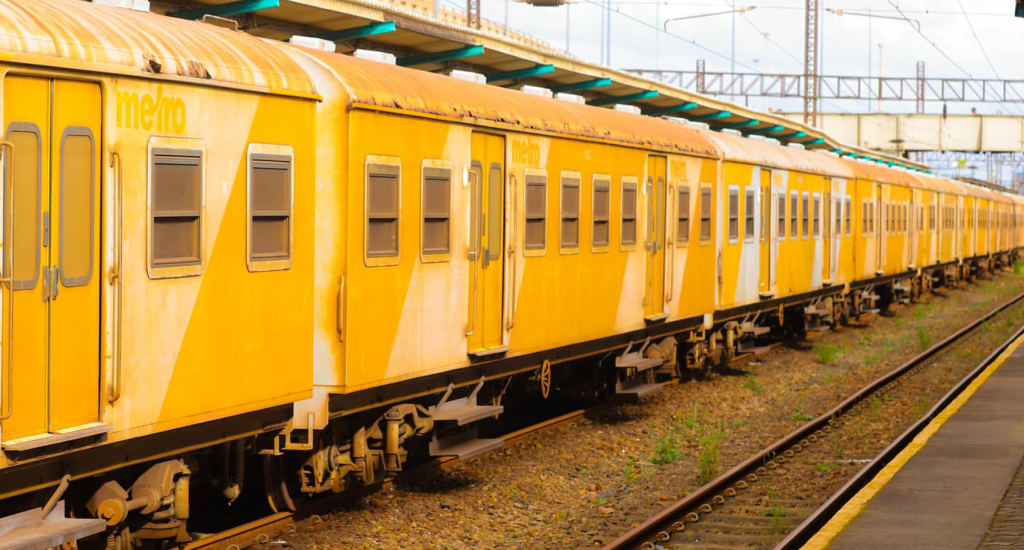
He noted that the restoration of passenger rail is gaining momentum through the rollout of new locally manufactured trains, which are reducing commuting costs, while the opening of the national rail network to private operators is set to spur competition and shift more freight from road to rail.
The President added that plans are underway to introduce concession-based public private partnerships in port terminals and key rail corridors, alongside ongoing preparations for high speed rail links between Johannesburg and Musina, as well as eThekwini and Johannesburg.
Nearly 30 companies responded to last year’s request for information on the proposed high speed corridors, and with government now preparing to issue a formal request for proposals, the President said the country is poised for a transformative new era in long distance rail travel.
videos & photos