


Protecting initiates’ lives
and restoring the dignity of customary initiation
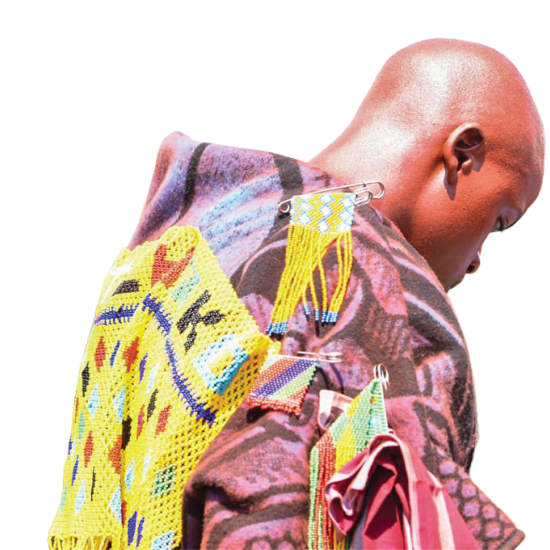
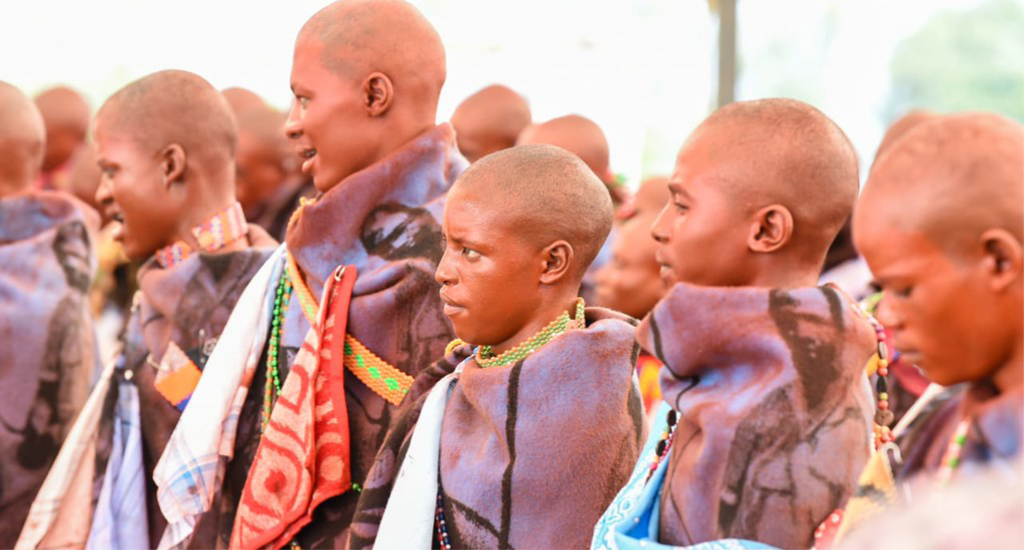
Each year, as the winter and summer initiation seasons approach across South Africa, thousands of young people prepare for one of the most significant moments of their lives: customary initiation. For generations, this sacred rite of passage has marked the transition from childhood to adulthood, shaping identity, instilling discipline and reinforcing the cultural fabric of communities across the country.
In many homes, families gather with pride and anticipation. Elders prepare teachings, communities organise ceremonies and young initiates step forward on the journey to adulthood. Traditionally, customary initiation has been a time of celebration, reflection and transformation. It is a cultural milestone deeply rooted in African heritage, where elders guide young people and pass on values that shape character, responsibility and respect.
Restoring safety and dignity
However, alongside this proud tradition, troubling realities have emerged over the years. Each initiation season brings reports of injuries, dehydration, infections and, in some cases, deaths. These tragedies cast a shadow over what should be a joyful and meaningful time for families welcoming their children back home from initiation schools.
Many of these incidents are linked to illegal initiation schools operating without proper oversight, untrained traditional surgeons and caregivers, poor health and sanitation conditions, and the growing commercialisation of what was once a sacred cultural practice.
In such environments, initiates are placed at risk, far removed from the careful guidance and protection that traditionally defined initiation. However, registered schools also experience challenges which traumatises initiates and their families.
These challenges have prompted necessary conversations across communities, traditional leadership and government. The burning question is how has this proud age-old, respected cultural practice become associated with such preventable tragedies? What must be done to restore its dignity and safety?
Government has implemented various interventions to ensure that legal initiation schools comply with applicable regulations, illegal initiation schools are prevented from operating and authorities are empowered to respond promptly to emerging risks.
A whole of society approach
The introduction of the Customary Initiation Act (CIA) of 2021, marked an important step in strengthening oversight and accountability. Among others, the far-reaching legislation seeks to regulate initiation schools, improve safety standards and ensure that those responsible for negligence are held accountable. However, legislation and government alone cannot preserve tradition or protect young lives.
As the primary people responsible for their children's safety, health and emotional well-being, parents and guardians are an integral part of a successful customary initiation process; the sacred rite of passage.
The CIA of 2021 recognises the active role of parents, which includes verifying that initiation schools are properly registered, ensuring that traditional surgeons are trained and recognised, staying informed about the conditions at initiation schools and engaging traditional leaders when concerns arise.
Parental involvement does not weaken tradition; rather, it strengthens it by ensuring that cultural practices continue in a safe and responsible manner.
Saving lives
The establishment of provincial initiation coordinating committees, heightened awareness campaigns and the deployment of monitoring teams working in collaboration with various stakeholders, can ensure safe initiation and help save lives.
It is also imperative to strengthen the registration and monitoring of initiation schools, support the training of traditional surgeons and caregivers, and improve coordination between government departments, traditional leadership structures and health authorities.
The mandatory pre-initiation medical screenings required under the CIA of 2021, seek to prevent deaths and injuries. They are necessary in identifying underlying health issues such as dehydration and chronic medical conditions before initiates embark on the initiation process. Pre-screening initiates often is a life-saving action by acting as a crucial barrier between life and death.
Protecting initiates is a shared responsibility. Communities and families must remain vigilant and informed. They must report illegal initiation schools to authorities. This challenge requires an all of government and society approach, hence the need for communities, traditional leaders, health professionals, faith leaders and organisations to work together.
Customary initiation symbolises identity, unity and continuity, therefore, the goal is to restore its dignity.
Communities must collaborate with government to strengthen efforts to restore the dignity of customary initiation. By so doing, we can ensure that it remains a proud, safe and transformative journey into adulthood for generations to come.
No family should experience a loss of life because of a botched initiation process. As CoGTA, we are saying, “One life lost is one too many”, hence the clarion call that “Mabaye Bephila, Babuye Bephila”. ❖
videos & photos