

Beyond the ballot: active citizenry as the foundation of a safer and stronger South Africa
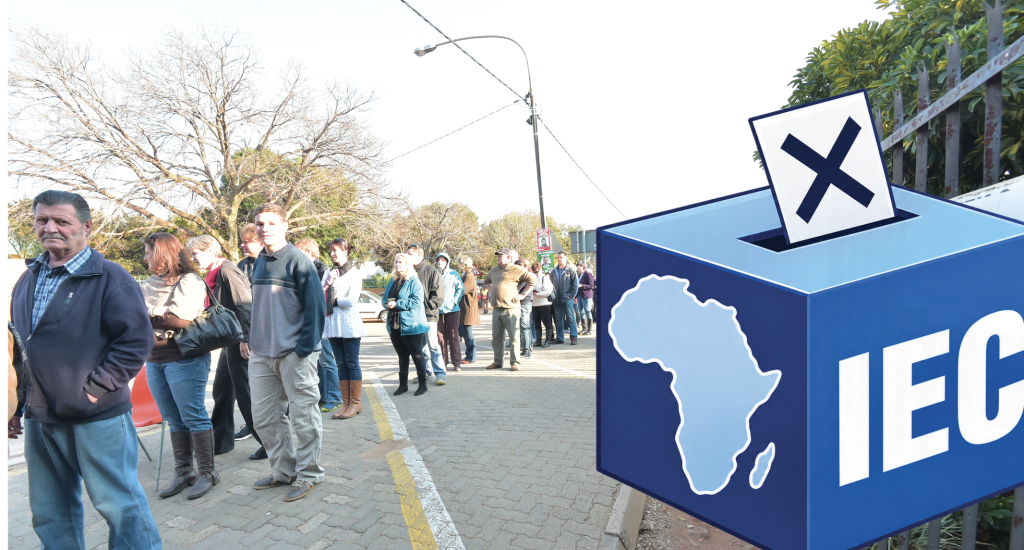
The 2026 Local Government Elections will mark another important milestone in South Africa's democratic journey. Millions of citizens will exercise their constitutional right to vote, reaffirming the central role of democracy in shaping the country's future. Elections are a cornerstone of democratic governance and are the beginning of a new cycle of civic participation, accountability and partnership between government and the people.
The strength of a democracy is not measured solely by voter turnout or electoral outcomes. It is measured by citizens’ actions in between elections. Active citizenry requires individuals and communities to remain engaged in public affairs, participate in decision-making processes, hold leaders accountable and contribute towards solving the challenges confronting society. It is through this sustained participation that democracy becomes meaningful in people's everyday lives.
Local government occupies a unique position in South Africa's governance system. It is the sphere closest to the people and responsible for delivering many of the services that directly affect communities.
Water, sanitation, roads, waste management, human settlements, local economic development and community safety are all functions that shape citizens' lived experiences.
The election of councillors and municipal leaders carries significant expectations. Communities rightly expect improved service delivery, responsive governance and accelerated development. However, the achievement of these outcomes depends not only on elected representatives but also on active and informed citizens who work alongside government to identify solutions, monitor progress and contribute to development initiatives.
Partnering for the development of the country
South Africa's developmental agenda, as articulated in the National Development Plan Vision 2030 and the Medium-Term Development Plan (MTDP), recognises that sustainable development cannot be achieved by government acting alone. The MTDP places strong emphasis on building a capable, ethical and developmental state while fostering partnerships with citizens, communities, civil society and the private sector.
These partnerships are critical for driving inclusive growth, reducing poverty and inequality, strengthening local governance and improving the quality of life for all South Africans.
Communities that participate in Integrated Development Plan consultations, ward committee structures, community policing forums, school governing bodies and local development programmes help ensure that government planning responds to actual needs rather than assumptions. Citizens become co-creators of development rather than passive recipients of services.
As the nation observes the 16 Days of Activism for No Violence against Women and Children, the importance of active citizenry assumes even greater significance. Gender-Based Violence and Femicide (GBVF) remains one of the gravest threats to South Africa's social fabric, undermining human dignity, equality, safety and development.
Shared responsibility
Violence against women and children cannot be addressed solely through legislation, policing or government interventions. It requires community ownership and collective action. Silence, indifference and inaction allow violence to persist.
Active citizenship demands that individuals challenge harmful social norms, support survivors, report abuse, promote gender equality and participate in building communities where women and children can live free from fear.
The fight against GBVF is closely linked to the broader project of nation-building and social development. Communities characterised by violence, inequality and exclusion cannot achieve sustainable development. Likewise, developmental goals cannot be realised where women and children continue to experience violence and insecurity.
Active citizens therefore play a dual role. They contribute in improving governance and development outcomes while simultaneously strengthening the social values that underpin a caring and inclusive society.
Beyond the elections
In the aftermath of the local government elections, citizens should view their democratic responsibility as extending beyond the vote. Participation in community forums, local development initiatives, anti-GBVF campaigns, municipal accountability mechanisms and social mobilisation efforts all contribute to building resilient communities capable of addressing local challenges.
Technology and digital platforms also provide new opportunities for civic engagement. Citizens can use these tools to access information, engage constructively with government, monitor service delivery and mobilise collective action around local priorities. Used responsibly, these platforms can strengthen transparency, enhance participation and deepen democratic engagement.
The future of South Africa's municipalities will not depend solely on the performance of elected leaders. It will also depend on the willingness of citizens to remain engaged, informed and committed to the development of their communities. Elections may determine who governs, but active citizenry determines how well democracy works.
A reflection
As we reflect on the outcomes of the 2026 Local Government Elections and commemorate the 16 Days of Activism for No Violence against Women and Children, we are reminded that the work of building a capable developmental state belongs to all of us. The aspirations contained in the MTDP can only be realised through partnerships between government and society.
The ballot has spoken, but democracy's work continues. Now is the time for citizens to move from participation at the polls to participation in development; from being observers to becoming active agents of change; and from demanding accountability to helping build the safer, more inclusive and prosperous South Africa as envisioned in the country’s national development agenda.
A thriving democracy is not built every five years on election day. It is built every day by active citizens who choose to participate, contribute and act in the public interest.
* Lawrence Ngoveni is Director: Senior Specialist: Media Engagement at the DPME
videos & photos