


Ending GBVF begins with changing human behaviour
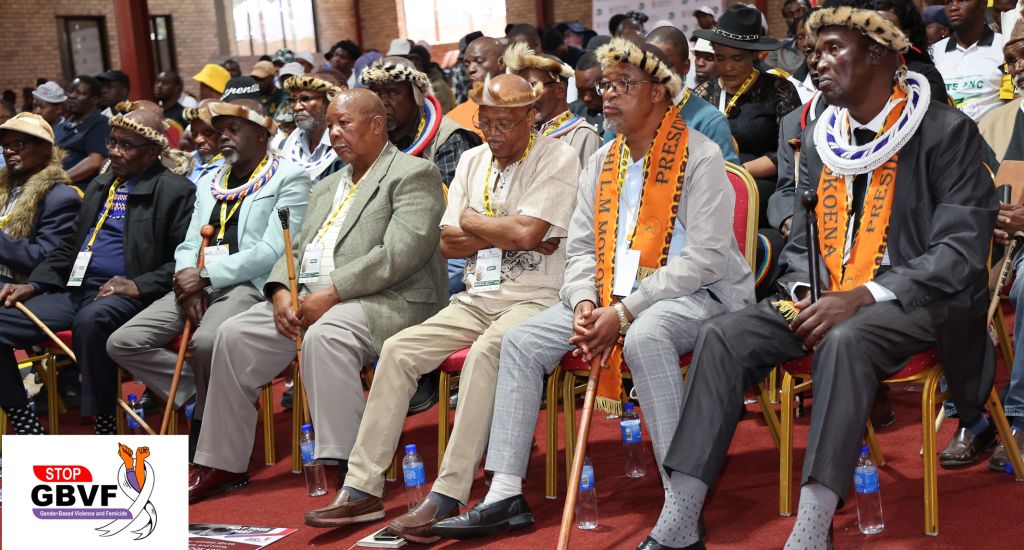
South Africa cannot end gender-based violence and femicide (GBVF) through legislation, law enforcement and public awareness campaigns alone. While these interventions are indispensable, sustainable prevention requires a deeper societal shift: changing the human behaviours, attitudes, beliefs and social norms that allow violence against women, children and other vulnerable groups to persist.
At the heart of GBVF lies a question that demands honest reflection: what kind of society are we building when controlling another person is mistaken for love, aggression is celebrated as masculinity and violence is sometimes excused as a private family matter?
These are not merely individual behavioural concerns. They reflect broader social attitudes about power, gender, entitlement and accountability. Unless these attitudes are confronted directly, South Africa will continue to respond to the consequences of violence without sufficiently challenging the conditions that allow it to happen.
Prevention must begin before violence occurs
The National Strategic Plan on Gender-Based Violence and Femicide (NSP on GBVF) 2020 – 2030 recognises prevention and rebuilding social cohesion as one of its six pillars. It calls for evidence-based interventions that change harmful social norms and behaviour, promote positive alternatives to toxic masculinities and help create communities where violence is unacceptable.
Cabinet’s Programme of Action on GBVF similarly identifies prevention, the engagement of men and boys, communication and stakeholder mobilisation as essential elements of the national response.
These commitments point to a necessary shift in how prevention is understood and implemented. Awareness is important, but awareness alone does not guarantee behavioural change.
The real test of prevention is whether people change how they behave towards one another.
The engagement of men and boys is indispensable to ending GBVF. This does not mean shifting responsibility away from perpetrators or treating all men as perpetrators. It means recognising that men have an important role in challenging the attitudes, peer expectations and social practices through which violence is normalised.
We must redefine masculinity in ways that affirm responsibility, respect, emotional maturity, equality and non-violence. Boys must learn early that strength is not demonstrated through intimidation, that rejection is not an invitation to coercion and that no relationship creates an entitlement to another person’s body, time or choices.
Men must also be prepared to challenge other men when conversations, jokes or conduct degrade women, excuse sexual violence or promote the idea that controlling a partner is acceptable.
There can be no legitimate solidarity in protecting a perpetrator from accountability. Friendship, brotherhood and loyalty cannot be used to excuse abuse.
This requires sustained programmes in schools, universities, workplaces, sports organisations, faith communities and local communities. Once-off campaigns may attract attention, but consistent engagement is needed to influence behaviour and reinforce new social expectations.
Families, schools and communities have a responsibility
Behaviour is shaped long before a person enters adulthood. The way children observe adults resolving disagreements, sharing responsibilities, treating women and exercising authority can influence their understanding of relationships and power.
Families must create environments in which respect is practised, emotional expression is encouraged and violence is never presented as a legitimate means of resolving conflict. Schools must reinforce gender equality, age-appropriate education on consent, respectful relationships and safe reporting.
Traditional and religious leaders, community organisations, sports bodies and employers must also use their influence to challenge harmful practices and establish clear expectations of acceptable conduct.
Communities must learn to recognise warning signs, respond safely when abuse is disclosed and connect survivors with appropriate support services.
Equally important is confronting victim-blaming. The responsibility for violence rests with the person who commits it. A woman’s clothing, movements, employment, independence or decision to leave a relationship cannot justify violence against her.
A society that demands behavioural change from women to avoid abuse, while failing to demand accountability from those who perpetrate it, has misunderstood the problem.
The role of government communication
Government communication also has a critical role in advancing this behavioural shift.
Communication should deliberately challenge the beliefs that sustain violence, present positive alternatives and encourage specific actions that individuals and communities can practice.
Messages on consent must be accompanied by conversations about entitlement and respect. Messages encouraging men to speak out must be supported by practical opportunities to challenge harmful peer behaviour. Campaigns promoting safe communities must connect people to credible reporting channels and survivor support services.
This requires collaboration between government communication structures, community radio, television, digital platforms, civil society, educators, researchers and trusted community voices.
Messages must be accessible to persons with disabilities, available in relevant South African languages and responsive to the experiences of women and girls across different social and economic circumstances.
Most importantly, communication must be sustained throughout the year. Prevention cannot be seasonal when the harm it seeks to prevent is ongoing.
Accountability must accompany behaviour change
Behavioural prevention must never be used as a substitute for law enforcement, justice or survivor-centred services. Education and dialogue cannot replace the consequences that must follow criminal conduct.
South Africa requires a comprehensive approach that combines early prevention with effective policing, timely prosecution, protection orders, accessible support services and accountability for institutions that fail to respond appropriately.
The same principle applies to government implementation. Prevention programmes must have clear responsibilities, adequate funding, measurable targets and credible monitoring mechanisms.
Success cannot be measured solely by the number of posters distributed, dialogues held, people reached or media interviews conducted. These outputs matter, but they do not necessarily demonstrate that behaviour has changed.
We must also assess whether attitudes that justify violence are declining, whether men and boys are adopting more respectful behaviours, whether communities are intervening safely and whether institutions are responding effectively when abuse occurs.
Stakeholders should ensure that prevention commitments are translated into coordinated programmes with measurable outcomes, defined responsibilities and regular reporting.
At the same time, economic inequality, dependency, unsafe public spaces and barriers to justice must be addressed because they can increase vulnerability and constrain the choices available to survivors. Behavioural interventions must therefore complement, rather than replace, structural reforms.
The responsibility belongs to all of us, but accountability for acts of violence must always remain with those who commit them.
Changing society begins with changing what society accepts. ❖
videos & photos