

Communication that
helps government deliver

I begin with a simple conviction: public trust is earned through the daily experience of government. It grows when a citizen receives clear and reliable information, understands the services available to them, knows how to access those services and sees Government respond to their needs. The true measure of government communication is not how far the message travels, but whether it enables citizens to understand, participate and act.
As Director-General of the Government Communication and Information System (GCIS) and Government Spokesperson, I take up this responsibility with respect for the institution’s achievements.
The GCIS has built a national communication system and deepened its community reach, platforms and partnerships. That record provides a strong foundation for addressing constraints.
I recognise the public servants who sustain this system and the leadership that advanced the revised Government Communication Policy and integrated planning.
Effective government communication
An effective government communication system requires strong coordination, coherence and consistency. While departments and spheres have distinct responsibilities, citizens experience one state, and communication must connect government decisions and delivery with their lived experience.
The GCIS, the Media Development and Diversity Agency and Brand South Africa bring complementary mandates to this task, supported by coordination mechanisms such as the Government Communication Excellence Tool and communication forums.
This system-wide leadership was evident during South Africa’s G20 Presidency, where the GCIS coordinated communication across government and helped translate a global forum into a broader national conversation.
Communication is also a matter of sovereignty. South Africa must tell its own story, explain its policy choices and protect its democratic information space from falsehoods, manipulation and narratives that undermine public confidence.
Communicate progress
Government must communicate progress across state-owned enterprises, including Eskom, where improved generation and reduced load-shedding demonstrate the value of credible, evidence-based communication.
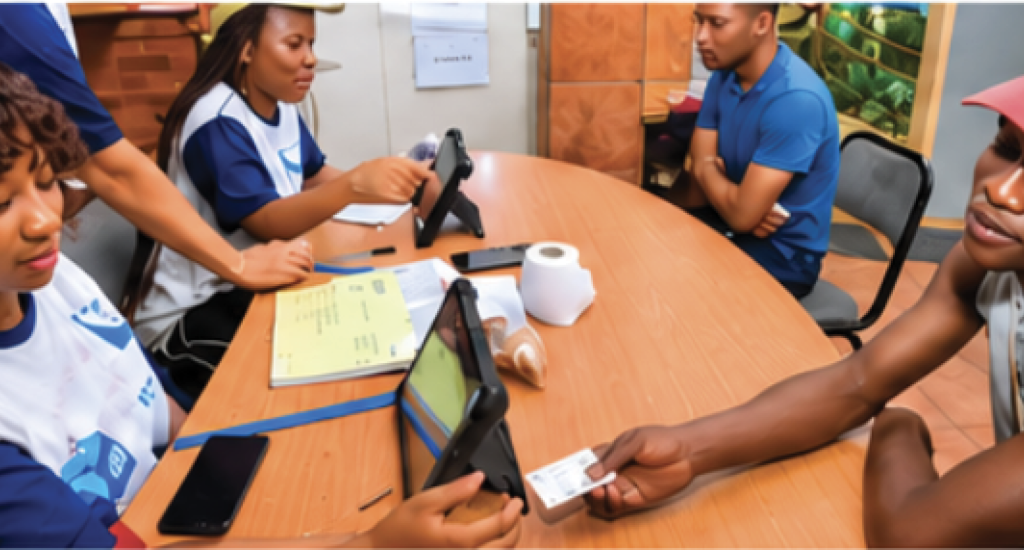
The GCIS strengthens this connection through public education, community engagement and initiatives such as Local Government Thursday, which bring service-delivery information and government representatives closer to communities.
Communication is not the final step in implementation; it is part of implementation. A service is not fully accessible if people do not know it exists, how to access it or where to seek help when it fails. Government must be both visible and accessible.
The digital-first principle provides practical direction but does not mean digital only. The GCIS will publish verified information first on its own platforms, then adapt it for other channels and accessible formats. Information has public value when it reaches the people whose lives government decisions are intended to improve.
This matters especially in local government, where people experience the State through essential services. Reform must be communicated as a practical commitment to accountability, capable institutions and better services.
Government's Love your Street campaign, led by Minister in The Presidency, Khumbudzo Ntshavheni, demonstrates this principle in action. By mobilising government, municipalities, civil society and communities to improve public spaces and strengthen safer communities, it shows that communication can support both active citizenship and service delivery. The task is not simply to announce action, but to make progress visible where people live.
Ahead of the 2026 Local Government Elections, government communication must protect the integrity of public information by providing timely, factual and non-partisan information. In a rapidly changing information environment, speed matters, but credibility matters more.
A capable developmental state communicates progress, constraints and the action being taken to address them. Credibility depends on an honest connection between what government promises, what it delivers and what citizens experience.
This work is already visible across the GCIS digital platforms, community engagement, research and audience insights. Vuk’uzenzele newspaper, Braille access, community media and localised content extend reach beyond digital channels. In 2025/26, GCIS-managed platforms reached over 1.4 billion people, as highlighted in the Minister's 2026 GCIS Budget Vote Speech.
Training communicators
Professionalisation is also well underway. GCIS has expanded training for government communicators, including work with the National School of Government, and has strengthened capacity to identify and counter misinformation and disinformation.
November includes Disability Rights Awareness Month and the start of the 16 Days of Activism for No Violence Against Women and Children. These observances must move beyond messages to institutional action.
Accessibility for persons with disabilities must be built into planning, digital platforms and frontline services. Information must be usable, and barriers to services and participation removed.
On gender-based violence and femicide (GBVF), government communication must be an instrument of prevention, accountability and social change. The full government communication system must connect people to credible information and support, challenge harmful social norms and mobilise society around the shared responsibility to end GBVF.
A capable state requires a responsive communication system that listens as well as informs. Citizen experience, evidence of delivery and identified information gaps should shape how government communicates, responds to concerns and accounts for progress and challenges.
Every government message must help a citizen understand, act or access services. The GCIS will be led with that purpose. That is how communication supports delivery, how the State earns trust and how public service becomes an experience people can see and feel in daily life. ❖
videos & photos