



PRASA’s focus moves to optimisation
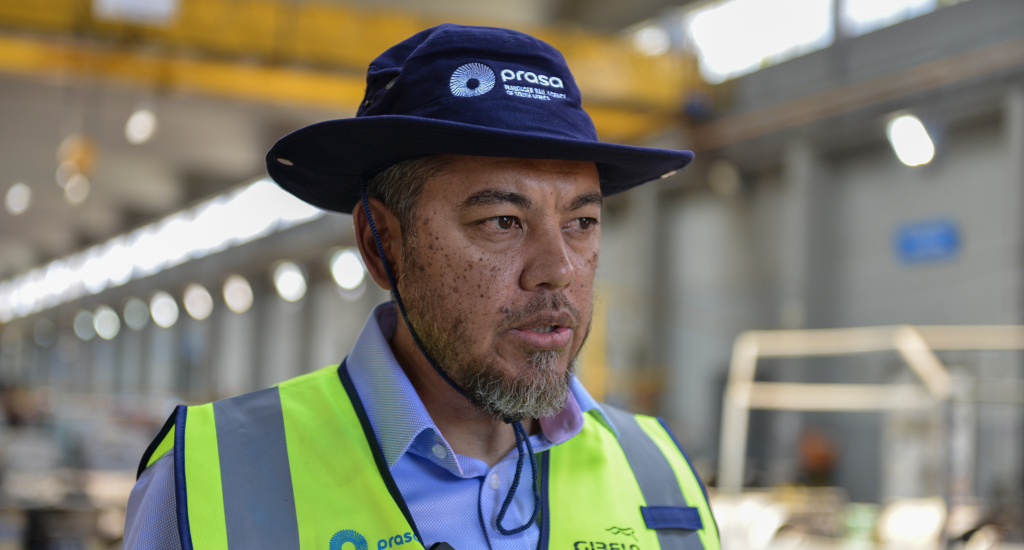
As the nation marks Transport Month, PRASA Group CEO Hishaam Emeran traces how the agency has moved beyond recovery and how its people are shaping a railway built to perform.
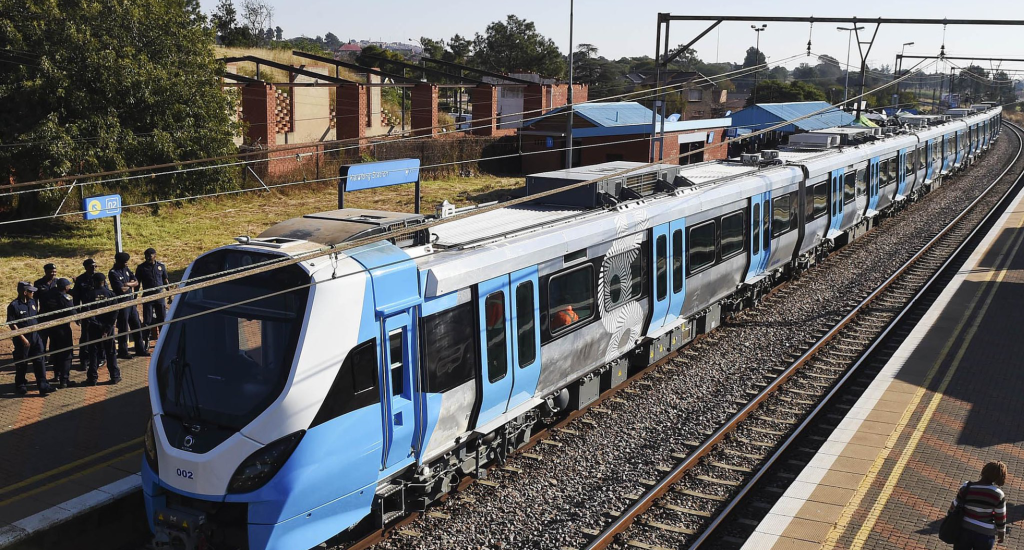
Across South Africa’s more than 2 200 km of passenger rail network, the platforms bustle with activity in the morning rush hour. Whether it is Naledi, Soweto; KwaMashu, north of Durban; Chris Hani on the Central Line; Mabopane in Pretoria North and at several hundred other stations across the country, commuters embark on travels to work, school and other destinations. Most of these journeys take place on PRASA’s Isitimela Sabantu, the modern trains at the Gibela Plant on the East Rand. The doors open, the carriages are wide and inviting, clean and safe, brightly lit, providing a pleasant experience for commuters.
PRASA is well on its way to fulfilling its role as the backbone of an integrated public transport system by providing the most affordable commute in the country. For many communities served by PRASA, the passenger rail services are a lifeline that links them to work, school and opportunity.
This Transport Month, PRASA’s story has moved from one of recovery to that of optimisation: drawing the full value from our assets, our people and delivering on the trust of our people.
To get a sense of how far PRASA has come, it is worth remembering that as recently as 2020/21, its achievement in terms of its annual performance plan was a lowly 19%. Since then the performance trajectory has been positive, exceeding 80% for the past three years.
Perhaps the most important metric has been the growth in the number of passenger trips. In the past year, passenger trips reached 101 million and this figure is expected to increase substantially in the new year. 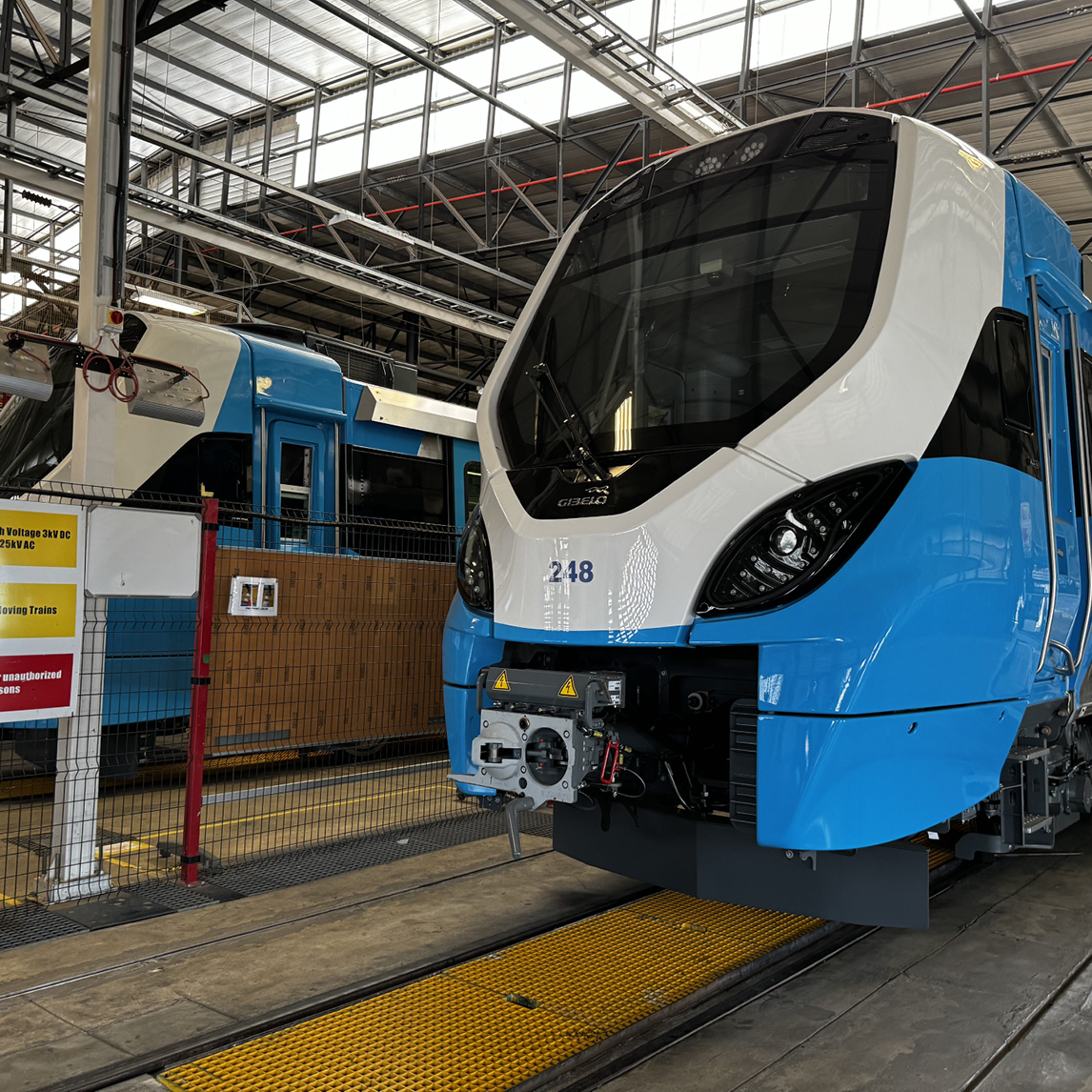
A fleet made in South Africa
Optimisation begins with the assets that carry our passengers. At the Gibela factory in Dunnottar, Nigel, South African artisans and engineers build the X’Trapolis Mega trains that have mostly replaced the legacy fleet that served commuters for decades. More than 320 of the 600 trainsets have been delivered, with over 60% of components now sourced locally.
While the trains boast impressive features, beyond these technical elements, an equally important factor is the impact of the Rolling Stock Modernisation Programme on the supplier network. The establishment of PRASA's Gibela factory has played an important role in reviving the rail sector, preserving skills and creating jobs and livelihoods.
A modern train deserves a network to match. In 2023/24, PRASA achieved 144% of its capital budget, converting funding into working infrastructure at pace. Our engineering teams have rebuilt stretches of track that were lost to theft and neglect, restoring the formation, rails and overhead traction equipment on which reliable service depends.
Signalling modernisation, the nervous system of a safe and punctual railway, is advancing in Gauteng, KwaZulu-Natal and the Western Cape. Station upgrades continue in parallel, so that the first and last moments of each journey reflect the same standard as the ride itself.
Security that thinks ahead
PRASA has implemented an effective plan that has significantly reduced security incidents at both the asset and passenger level. The model combines protection officers on the ground with surveillance technology and intelligence-led deployment.
The Asiphephe campaign is at the heart of PRASA’s implementation of a safety-first culture. This has been experienced by commuters who confidently board PRASA’s trains knowing that their journey is going to be a safe one.
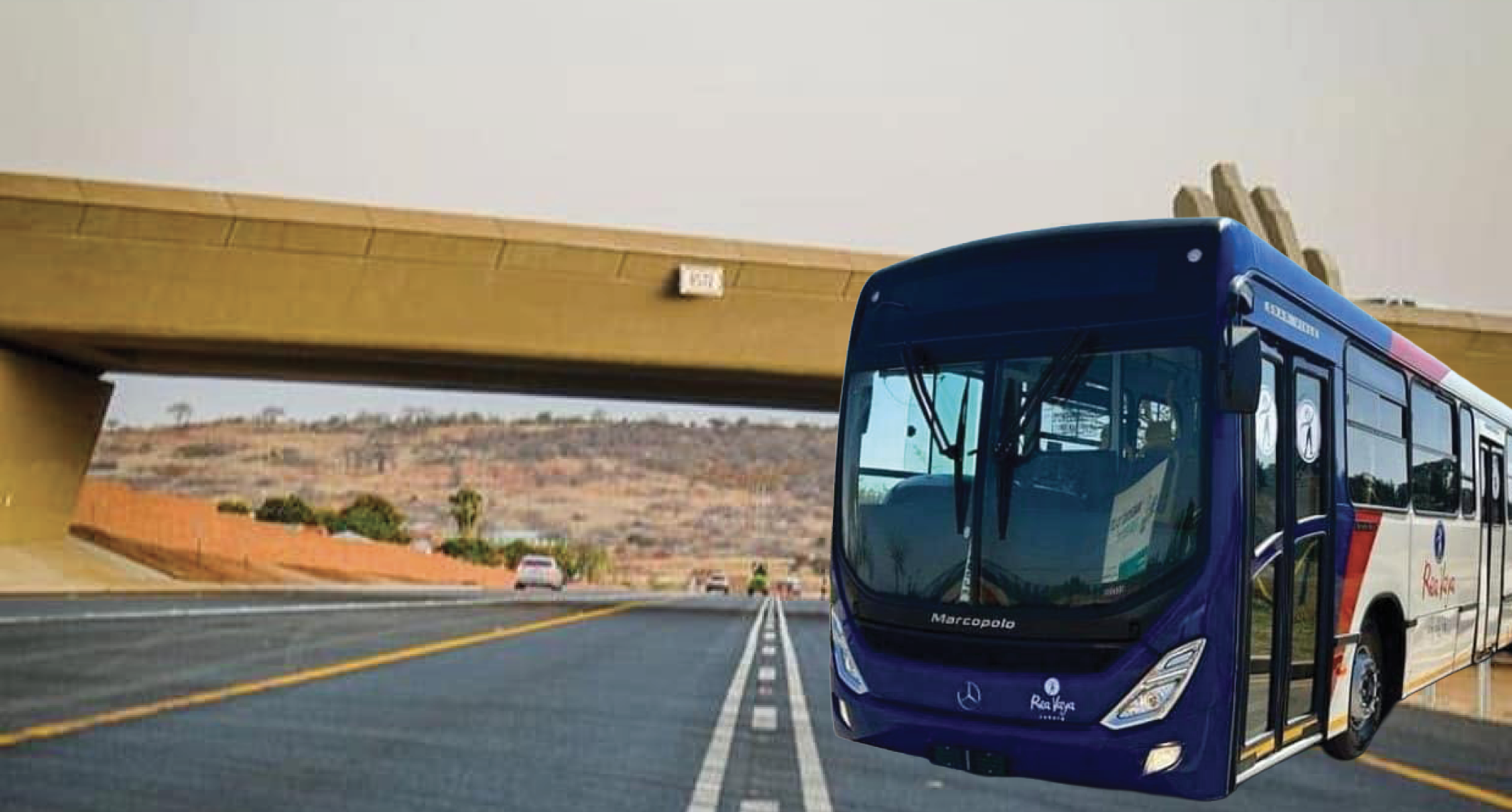
Every investment finds its purpose on the platform. Cashless ticketing will bring convenience to our commuters, especially once a single tap-and-go ticket is introduced across train, bus and taxi services. Data analytics now shapes our timetables and helps us grow off-peak travel.
Commuters experience the difference in cleaner carriages, clearer information and more predictable journeys, and our customer satisfaction results reflect that shift.
PRASA carries a secondary mandate: to generate income from the assets in its care. Through Intersite, formerly CRES, stations are becoming commercial precincts, and land holdings are becoming homes, shops and places of study.
A recent co-investment delivered accommodation for some 3 200 students alongside 7 000 square metres of retail space. The commercialisation of our national fibre network offers a further avenue. Each rand earned in this way eases reliance on the fiscus and returns value to the service.
The people who make it work
No structure moves a single train. That work belongs to our people: drivers and train crews, station staff, control and signalling personnel, engineers, information technology specialists and protection officials. The numbers in this article belong to them.
Over the past year, PRASA completed the most significant redesign in its history, establishing PRASA Capital – the long distance public transport division, Intersite and a Shared Services Model. At our Top 200 Management Forum in August, I asked our leaders to explain these changes to their teams and to connect every role to our mission. Through our graduate internship programme, young South Africans are gaining experience in engineering, finance, property, renewable energy and train operations. They represent the skills a growing railway will require.
The destination ahead
On 1 April 2026, Cabinet approved the draft National Rail Master Plan for public consultation. It places rail at the centre of the National Transport Strategy and confirms a target of 600 million passenger trips in the next five to seven years.
A few years ago, I spoke of the people, the skills and the determination to restore passenger rail as the backbone of public transport. Those qualities remain our foundation. Stability was the first step. Optimisation is the discipline. Six hundred million trips is the destination and the journey continues each morning on platforms across the country.
*Hishaam Emeran is the Group Chief Executive Officer of the Passenger Rail Agency of South Africa.
videos & photos