



Transport infrastructure: Driving growth, connecting communities and delivering on South Africa’s development priorities

Transport infrastructure is far more than roads, railways, ports and airports. It is a catalyst for economic growth, job creation and social inclusion. It connects people to opportunities, businesses to markets and communities to essential services.
As South Africa implements the Medium-Term Development Plan (MTDP) 2024 – 2029, transport infrastructure remains one of the country's most powerful tools for driving inclusive growth, reducing poverty and building a capable developmental state.
The MTDP recognises infrastructure development as a central pillar of economic transformation. Reliable transport systems support investment, reduce the cost of doing business and improve access to employment, education and healthcare. In a country seeking faster and more inclusive growth, efficient transport networks are not a luxury but a necessity.
South Africa's growth ambitions depend heavily on the performance of its freight and logistics networks. As goods move efficiently from production centres to domestic and international markets, businesses become more competitive, exports increase and investment grows. 
Progress made
Recent progress under Operation Vulindlela demonstrates how structural reforms are beginning to strengthen the transport sector. During the first quarter of 2026, government advanced key freight logistics reforms aimed at improving efficiency, reducing costs and supporting export-led growth.
Government has also made progress in attracting private sector investment into strategic logistics infrastructure. A revised network statement was published to facilitate open access to the freight rail network, while rail access agreements were concluded with all 11 train operating companies allocated capacity on the network. These operators are expected to increase rail volumes by approximately 24 million tonnes over the medium term, contributing towards government's target of moving 250 million tonnes of freight by rail.
Transnet has issued requests for proposals for projects ,including the Ngqura Manganese Export Corridor, a Rolling Stock Leasing Company and the Cape Town Multipurpose Terminal. These initiatives are expected to strengthen export capacity, improve operational efficiency and enhance South Africa's competitiveness in global markets.
In addition, the National Rail Bill is being finalised to create an enabling legislative framework for a modern and competitive rail sector, while preparations continue for the establishment of a transport economic regulator to support fair competition and investment certainty.
These reforms highlight the growing role of transport infrastructure as an engine of economic development and a key contributor to the country's recovery and growth agenda.
Access to economic opportunities
Transport infrastructure is equally important in addressing poverty and the high cost of living. For millions of South Africans, access to affordable and reliable transport determines whether they can reach workplaces, schools, healthcare facilities and government services.
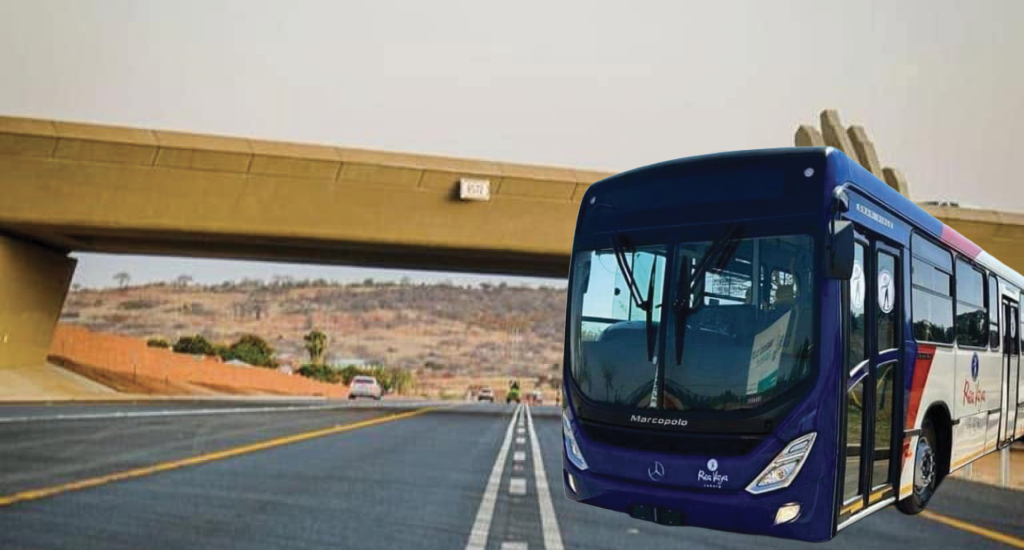
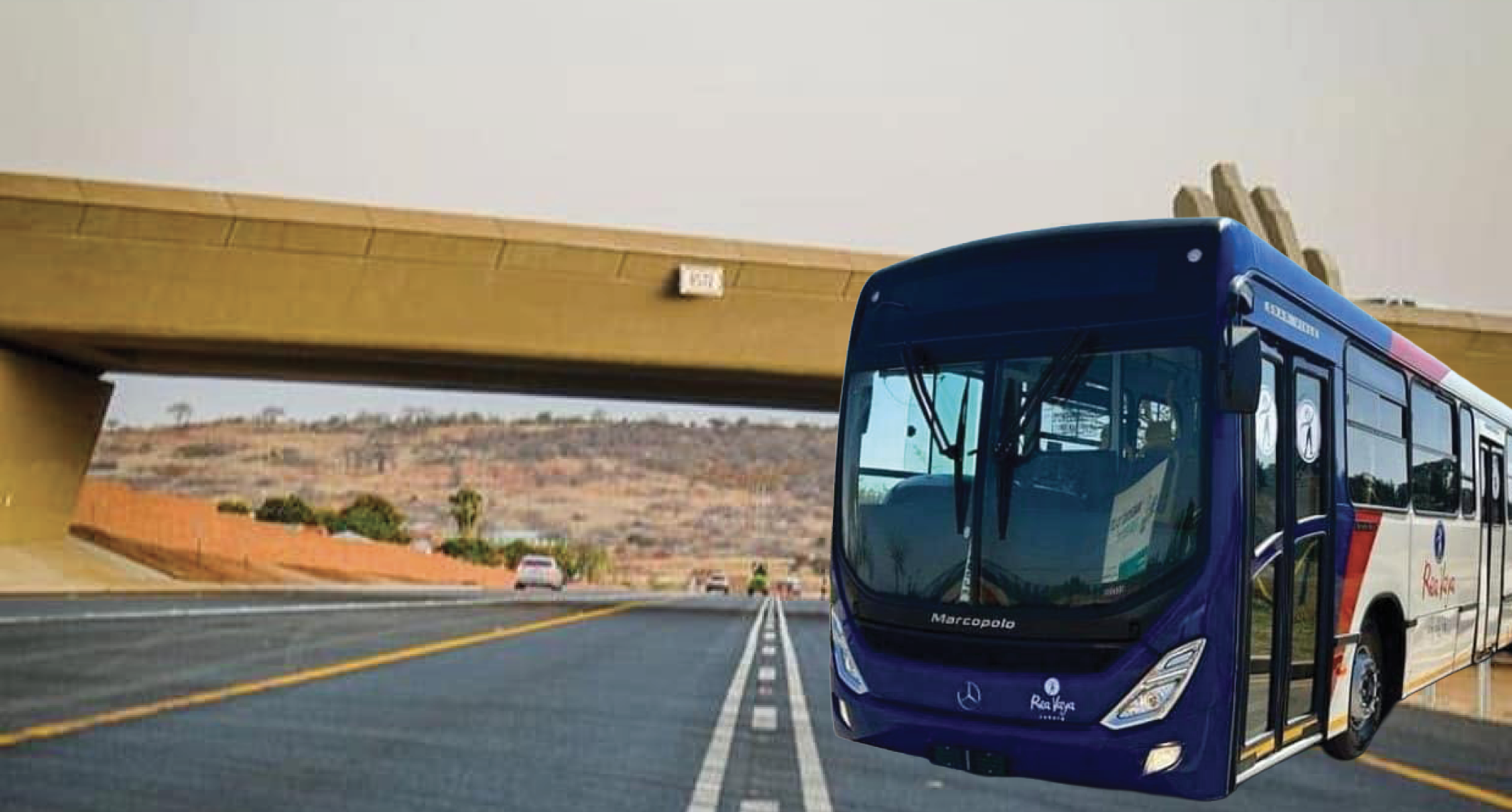
South Africa has already demonstrated the benefits of integrated public transport systems. The Gautrain and Bus Rapid Transit systems such as Rea Vaya, A Re Yeng and MyCiTi have improved mobility, reduced travel times and enhanced access to economic opportunities.
Encouragingly, passenger rail services are showing strong signs of recovery. According to Operation Vulindlela's latest progress report, PRASA has restored 35 of its 40 priority rail corridors. Passenger journeys increased dramatically from approximately 17 million in 2021/22 to more than 101 million in 2025/26, while on-time train performance improved from 50% to 91% over the same period.
These improvements are particularly significant for low-income households that rely on affordable public transport. Better rail services reduce commuting costs, improve mobility and increase access to economic opportunities. As passenger rail continues to recover, it is helping to rebuild confidence in public transport while contributing to greater inclusion and improved quality of life.
Addressing inequality
Transport infrastructure also has a critical role to play in overcoming South Africa's spatial inequalities. Decades after apartheid, many people still live far from economic centres and basic services. Strategic investment in roads, rail networks and public transport corridors can help reconnect communities to opportunities and stimulate development in underserved areas.
The restoration of commuter rail services, combined with government's broader efforts to improve urban mobility and support affordable housing development, is helping to address these historic inequalities. Transport infrastructure contributes directly to social inclusion and regional development by improving connectivity between residential areas and economic hubs.
Government's increasing emphasis on integrated planning and spatial development further strengthens the developmental impact of infrastructure investment by ensuring that projects are aligned with broader social and economic objectives.
Successful infrastructure delivery requires capable institutions, sound governance and effective oversight. Every transport project completed successfully strengthens public confidence in government's ability to deliver services and create conditions for growth.
The reforms being implemented through Operation Vulindlela illustrate the manner in which institutional reform can improve state capability. Efforts to modernise the rail sector, strengthen regulation and attract investment demonstrate the importance of coordinated planning and implementation in achieving development outcomes.
As South Africa advances the implementation of the MTDP 2024 – 2029, transport infrastructure will remain central to achieving national development objectives. The progress recorded through Operation Vulindlela shows that reform and investment are beginning to deliver measurable results. From opening access to freight rail and modernising ports to restoring passenger rail services and crowding in private investment, transport reforms are creating new opportunities for growth and inclusion.
The challenge now is to maintain this momentum and ensure that infrastructure investments continue to translate into tangible improvements in people's lives. When transport systems enable businesses to grow, communities to prosper and citizens to access opportunities more easily, infrastructure fulfils its true developmental purpose. In this way, transport infrastructure remains one of the strongest foundations upon which South Africa can build a more inclusive, competitive and prosperous future.
*Lawrence Ngoveni is the Director: Media Engagement at the Department of Planning, Monitoring and Evaluation
videos & photos