



Social development Progress, purpose and the responsibility to deliver
October provides an important opportunity to reflect on the interconnected responsibilities of government and society. As we observe Social Development Month and Transport Month, we are reminded that dignity, safety, mobility and access to services cannot be addressed in isolation. The urgent national response to gender-based violence and femicide further reinforces the need for coordinated action that protects vulnerable people, strengthens families and ensures that government programmes deliver meaningful change in people’s lives.
South Africa's social development story is one of both progress and unfinished work. Since the advent of democracy, government has made social development a national priority, investing in social protection, welfare services and community development programmes to improve the quality of life of citizens.
These interventions have helped build one of the most extensive social protection systems in the developing world, providing support to millions of South Africans. Yet poverty, inequality and vulnerability remain a daily reality for many households. While Social Development Month provides an opportunity to reflect on the progress we have made, it also gives us a chance to consider what more can be done to ensure that development reaches those who need it most.
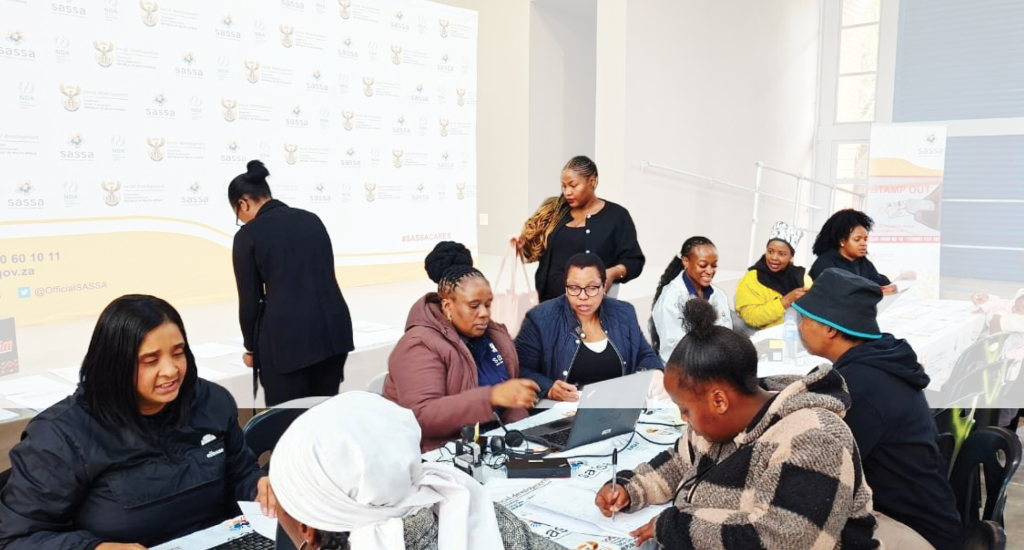
Our reflection on vulnerability cannot be separated from the continuing scourge of gender-based violence and femicide. In his address to the nation on 29 September 2026, President Cyril Ramaphosa outlined the steps being taken by government to confront GBVF and update the nation on the investigation into the recent murders of women in and around Ekurhuleni. This grave national challenge requires more than government intervention alone. It demands coordinated action by families, communities, public institutions, civil society and every citizen. As public servants, we must ensure that survivors are treated with dignity, can access information and support services, and are not failed by fragmented systems or poor implementation.
Observed annually in October, Social Development Month highlights government's commitment to combating poverty and hunger, strengthening social protection and ensuring that vulnerable communities can access the support and services available to them. It also coincides with important commemorations such as the International Day of Older Persons on 1 October, the International Day of Rural Women on 15 October and the International Day for the Eradication of Poverty on 17 October.
This year's theme, “Strengthening Families through Partnerships”, recognises that sustainable social development depends on collaboration between government, communities, civil society organisations and other social partners. It acknowledges that poverty, inequality and vulnerability affect not only individuals, but also families and the community support systems upon which many people rely. Addressing these challenges requires coordinated action that strengthens families, empowers communities and expands opportunities for those most in need.
Government has identified reducing poverty, tackling the high cost of living and building a capable, ethical and developmental state among its key priorities for the Seventh Administration. Social development speaks directly to these goals. It is a whole-of-government responsibility that requires effective leadership, coordination and implementation across all spheres of government.
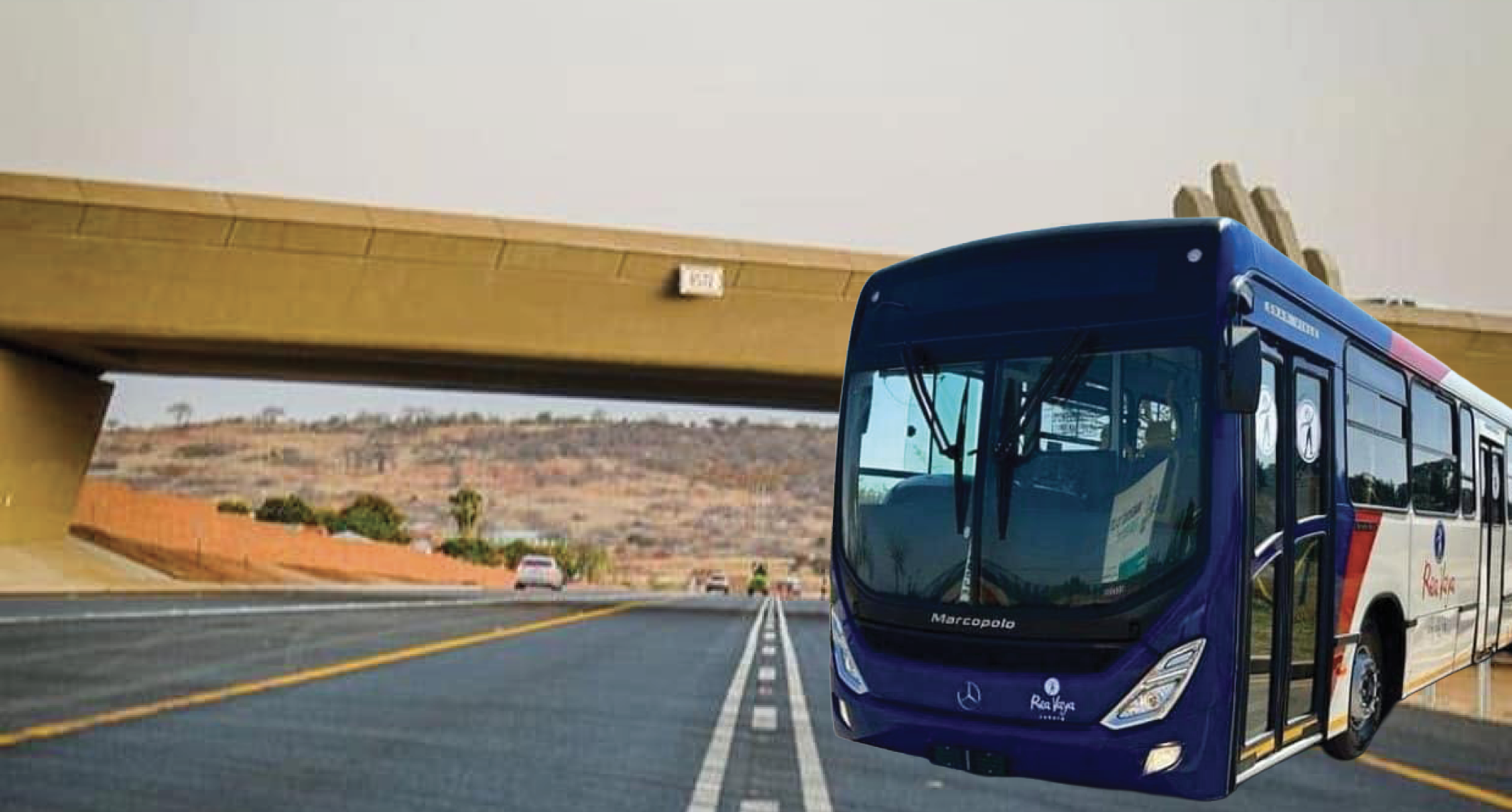
Social Development Month also coincides with Transport Month, reminding us that access to safe, affordable, reliable and accessible transport is central to social and economic inclusion. Transport connects people to employment, education, healthcare, social services and economic opportunities. For older persons, persons with disabilities, rural women and vulnerable families, the absence of accessible and dependable transport can become a barrier to receiving the very services and support intended for them. Our social development efforts must therefore be supported by an integrated transport system that enables people to participate fully in society and the economy.
Government's sustained investment in social development has earned the country international recognition, with a 2021 World Bank review describing South Africa's social assistance system as one of the country's most important post-apartheid policy successes. The review found that social grants make a significant contribution to reducing poverty and inequality, with approximately one-third of South Africans benefiting directly from grants and nearly two-thirds benefiting directly or indirectly from the system. It also highlighted the positive contribution of social assistance to food security, education, health and livelihoods.
Similarly, the International Labour Organization has reported that South Africa's social protection coverage is above the regional average and comparable with that of other BRICS countries, reflecting government's sustained commitment to supporting vulnerable groups through social protection measures
These achievements demonstrate the impact of deliberate government action. They should also prompt an important question: if South Africa has established one of the most extensive social protection systems in the developing world, why do poverty, vulnerability and inequality continue to affect so many citizens?
Part of the answer lies in the complex nature of poverty itself. While social assistance provides a critical safety net, many households continue to face the realities of unemployment, food insecurity and limited economic opportunities. According to Statistics South Africa, poverty remains closely linked to unemployment, while women and female-headed households continue to experience higher levels of deprivation than many other groups.
The commemorations observed in October draw attention to groups whose experiences should concern every public servant. Older persons continue to play a vital role as caregivers, mentors and pillars of support within families and communities, yet many remain vulnerable to poverty, social isolation and abuse. Rural women contribute significantly to food security, family wellbeing and local economies, but many continue to face barriers that limit access to economic opportunities and services.
One of the articles in this edition highlights research into the experiences of women from disadvantaged backgrounds, including those living in rural areas, in accessing breast cancer care. The study found that many public healthcare facilities struggle to meet national guidelines for breast cancer treatment and care. These findings remind us that development is not only about having policies and programmes in place, but also about ensuring that citizens are able to access quality services when they need them.
The International Day for the Eradication of Poverty further reminds us that poverty is not only about a lack of income. It is also about inadequate access to opportunities, services and resources that enable people to improve their circumstances and participate fully in society.
Government has long recognised these challenges and has introduced a range of interventions to address them. Through the South African Social Security Agency, social grants continue to provide critical support to older persons, children, persons with disabilities and vulnerable households. Programmes such as the Child Support Grant, Older Persons Grant, Foster Care Grant and Care Dependency Grant remain among government's most important poverty alleviation measures.
These are complemented by early childhood development programmes, nutrition support initiatives, social welfare services and community development programmes aimed at reducing vulnerability, strengthening families and expanding opportunities.
The challenge before us as public servants is, therefore, not whether programmes exist, but whether they are achieving their intended impact.
Are vulnerable households aware of the support available to them? Are services reaching communities most in need? Are departments collaborating effectively to address the interconnected challenges of poverty, unemployment and inequality? Are budgets, policies and programmes translating into measurable improvements in people's lives?
The same World Bank review that recognised South Africa's social assistance system also highlighted the importance of strengthening links between social assistance and programmes that support livelihoods, employment and economic participation. This observation is particularly relevant as government continues its efforts to build a capable, ethical and developmental state. It reminds us that social development is most effective when support programmes are integrated with broader efforts to expand opportunity, promote self-reliance and improve long-term outcomes.
As we observe Social Development Month, we should take pride in the progress that South Africa has made while remaining focused on the work that still lies ahead. Government has put the necessary programmes, policies and resources in place. Our responsibility is to ensure that they reach those who need them most and deliver meaningful, lasting change.
At the heart of social development are the people government serves. It is about ensuring that older persons can live with dignity, that rural women can access opportunities, that vulnerable families can build resilience and that every South African has the opportunity to realise their full potential.
By strengthening implementation, improving accountability and placing citizens at the centre of our work, we can help ensure that no one is left behind. This requires us to connect social protection with safe and accessible transport, economic opportunity, quality healthcare and decisive action against gender-based violence and femicide. Social development must ultimately be measured not only by the programmes we establish, but by whether people feel safe, supported, connected to opportunity and able to live with dignity. ❖
videos & photos