



Building a safe sustainable, reliable and affordable transport system

This year marks 21 years since the first October Transport Month, in 2005.
The year 2026 also commemorates 30 years since the enactment of the Constitution of the Republic of South Africa. An effective and efficient transport, mobility and logistics system lies at the heart of ensuring all citizens can access their social and economic rights.
Accordingly, this month, we must shine a spotlight once again to evaluate the progress we are making in building an integrated safe and affordable transport system that acts as a catalyst, not a constraint, on a society and economy that works for everyone.
This year has been a difficult one for households, bus and taxi operators; and the broader freight and logistics industry. Our geopolitical environment is not of our choosing. Its impact on supply chains, trade routes and the fuel price is there for all to see.
From our side, we are doing everything in our power to make public transport more affordable.
Over the past two years, we have recovered 35 of 40 priority passenger-rail lines, including most recently part of the Midway to Lenz route. PRASA passenger trips rose from 10 million in 2020/21, after the COVID-19 pandemic, to an audited figure of 101 million at the end of the 2025/26 financial year.
On average a PRASA passenger pays between R12 and R15 for a return trip at peak hours depending on the distance travelled.
This year we will continue to refurbish track, signalling and stations to ensure we deliver more frequent, punctual services and with higher passenger volumes. On 15 October, we will invite you to experience signalling rehabilitation on the Mabopane line and later in the month to launch the new Station Complex at KuGompo City.
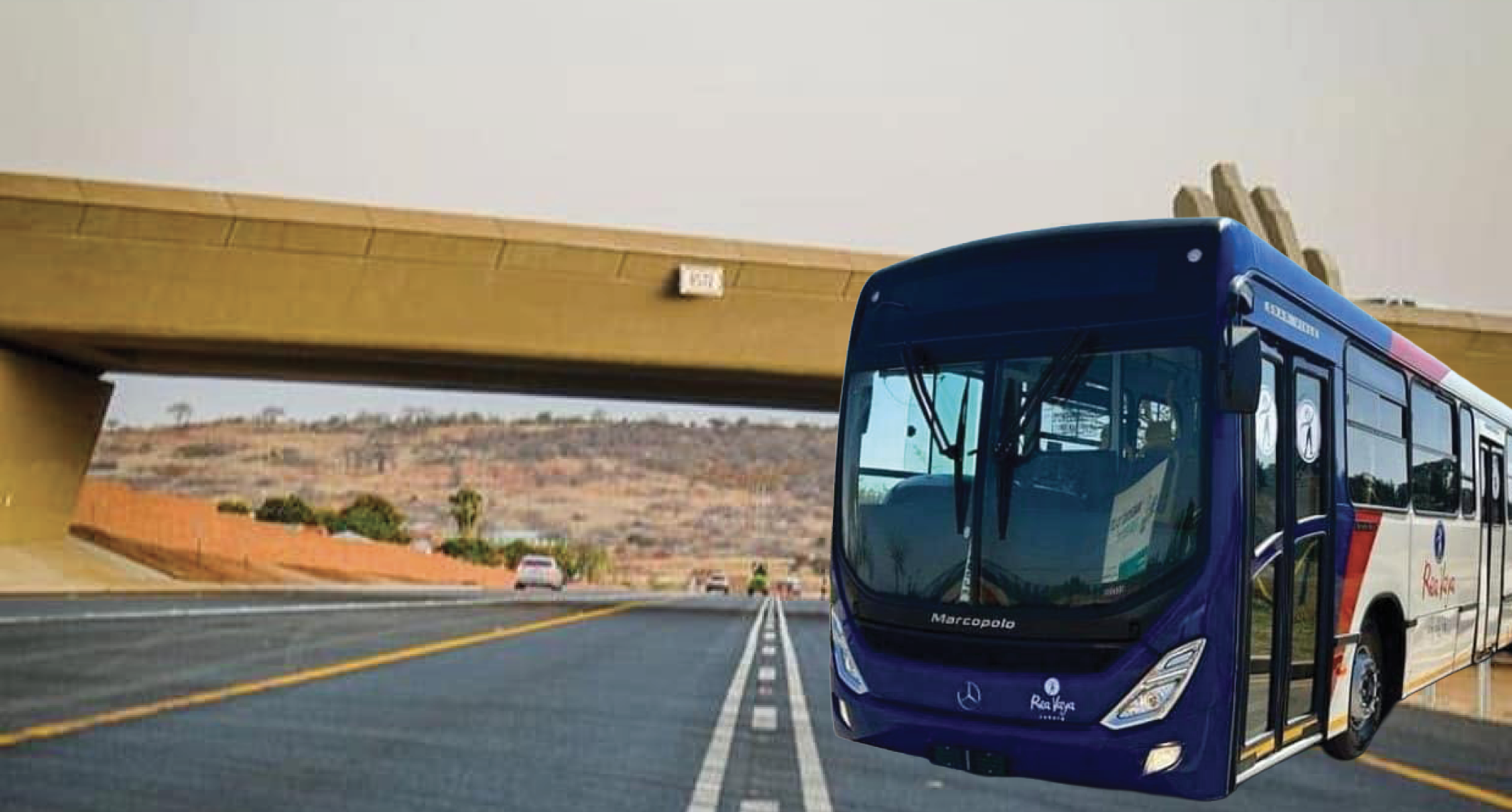
The integration of passenger and road transport systems is central to improving affordability and safety for commuters. Bus and minibus taxis remain central to our transport system.
We are in the process of reforming our public transport grant system into a unified support model available on selected routes to bus and taxi operators alike. Our reform is guided by foundational principles, including integration, sustainability, fairness, safety and commuter affordability. Consultation continues with all affected parties to develop a workable model.
The Department continues to cooperate with the taxi industry to reform and formalise the sector by:
Repurposing the Taxi Recapitalisation Grant and de-risking the industry so operators can buy cheaper vehicles with lower repayments; and
Formalising and right sizing the industry through pilot transport operating companies, one in each province, to test new management and investment models.
Rail and port reform are at the centre of government’s agenda for the transport sector. Last week Cabinet supported the separation of the Transnet Ports Authority (TNPA) as a stand-alone company owned by the State.
The principles on which the separation will be effected include fair compensation for Transnet, on an independently assessed valuation of TNPA, long term financial sustainability and equitable allocation of liabilities to both the Transnet Group and the TNPA; protection of all workers, jobs and customers; preservation of strategic state ownership and control of national ports infrastructure and improvement in investment capability and infrastructure development of both TNPA and Transnet.
This significant development will bring TNPA in line with the National Ports Act as well as international best practice. As an independent company, TNPA will be able to use its revenue to invest in port infrastructure and equipment, thereby accelerating the journey which has already seen three of South Africa’s ports tagged as most improved in a recent World Bank study.
The 2022 White Paper on National Rail Policy and the 2023 National Freight Logistics Roadmap are now delivering results.
In March, the Department approved 11 private train operating companies (TOCs) to use the state-owned national rail network, bringing private expertise and capital into operations. Operations are due to begin in April 2027.
In July, the Transnet Rail Infrastructure Manager published a second network statement, creating the necessary certainty to ensure the TOCs can secure rolling stock, staff and capital.
Approved for public comment earlier this year, the Draft National Rail Master Plan outlines our future vision for an interoperable regulated and well maintained state-owned railway network that will form the backbone of an integrated transport system for the movement of people and goods.
Transnet’s 2025/26 results show rail volumes of about 167.9 million tonnes against a target of 180.6 million tonnes – progress towards our goal of 250 million tonnes a year on the Transnet network by the end of the political term.
Increasing rail tonnage requires both significant state and private sector investment in rail infrastructure.
Through the Budget Facility for Infrastructure, R16.8 billion in public investment has already been approved and is in execution across the coal and iron ore lines and port infrastructure. Applications for a further
R23.6 billion are being developed. On 12 October, we will invite you to the Northern Cape to view current rail upgrades to the iron ore line during the annual “shut”.
Private sector investment in the rail and port infrastructure is being facilitated through projects currently in the market for the Ngqura Manganese Export Corridor, Richards Bay Dry Bulk Terminal, and later this year the container corridor between Gauteng and Durban.
Earlier this month, I received good news from the International Civil Aviation: with a final safety rating of 94.99%, South Africa has retained its position as the highest-ranking country in Africa and the seventh-leading globally for the effectiveness of its civil aviation safety system.
This outcome from the United Nations’ specialised agency for international aviation safety and security affirms once again the strength and maturity of the country’s aviation safety oversight system.
Despite capacity constraints and a flight-procedure backlog, Air Traffic and Navigation Services submitted 220 procedure designs to the South African Civil Aviation Authority (ACSA) in the past financial year, against a target of 90.
ATNS is safeguarding its skills pipeline by retaining experienced controllers and flight-procedure designers, while expanding bursaries and training for the next generation of aviation professionals.
I am pleased to confirm that following last week’s Cabinet Meeting, both ATNS and ACSA now have permanently appointed Chief Executive Officers. This is an important step in further strengthening and stabilising these critical aviation entities.
Investment in public infrastructure projects is a significant catalyst for job creation and economic development. This year our national roads agency, SANRAL, will through a number of large-scale projects, continue to improve safety and shorten travel distances while creating over 35 000 job opportunities and supporting more than 2 000 small enterprises.
In response to recent court cases, SANRAL will end pre-selected panels for routine road-maintenance tenders and return to open, route-by-route tendering to widen participation and competition.
Open tendering will be supported by procurement reforms, revised supply chain procedures, updated committee terms of reference and mandatory templates and checklists.
SANRAL has strengthened governance by adding independent specialists to its Audit and Risk, Loss Control, and Road Infrastructure and Projects committees.
Across the world, the rapid development of digital technology and artificial intelligence is changing transport ecosystems and regulatory processes. To catch up with the times, the Department and its entities have taken a decision to establish a transport digital authority with the aim of developing an integrated digital transport platform for all online permitting services through one citizen interface.
Immediate priorities include the following applications: online registration of e-hailing vehicle owners and drivers from November this year; digitisation of flight operator permits by December; and accelerating a new online licensing system to clear renewal backlogs for taxi operators and support provincial regulatory authorities.
Our vision is an integrated, sustainable, resilient and inclusive transport system that strengthens the economy and serves all South Africans with dignity and efficiency.
The road ahead requires consistent leadership, sound policy and sustained investment.
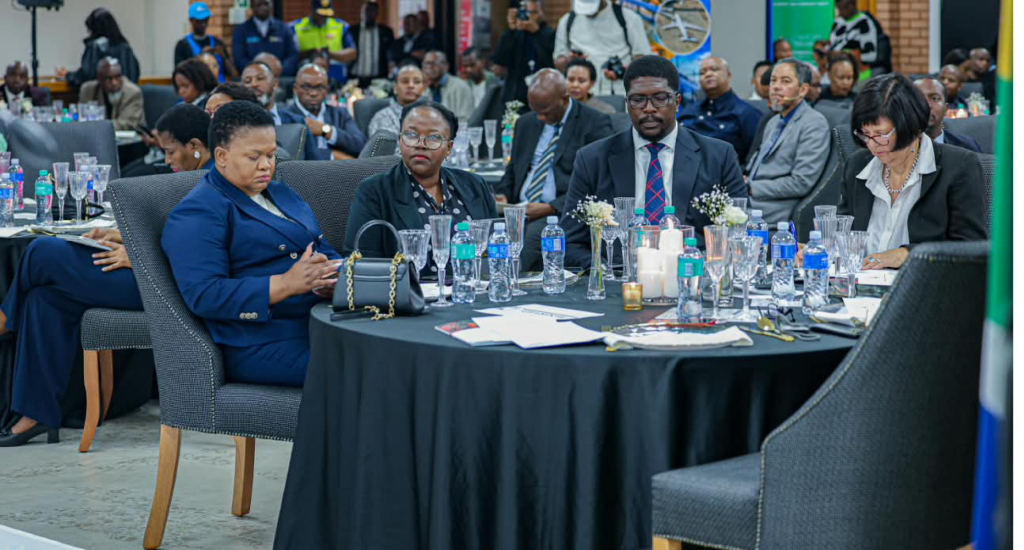
* This message is part of a speech delivered by Transport Minister Barbara Creecy at the launch of October Transport Month 2026
videos & photos