


Driving tourism and job creation through environmental stewardship
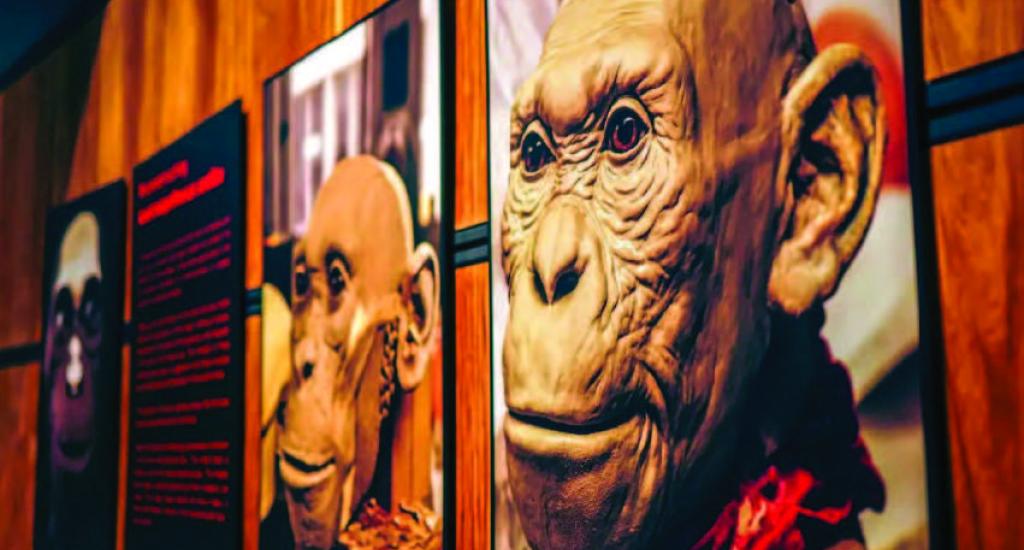
Every South African should have the opportunity to visit the Cradle of Humankind UNESCO World Heritage site. As one of the world's most significant
palaeoanthropological sites, it offers visitors a unique opportunity to explore humanity's shared origins and gain a deeper understanding of humankind's journey.
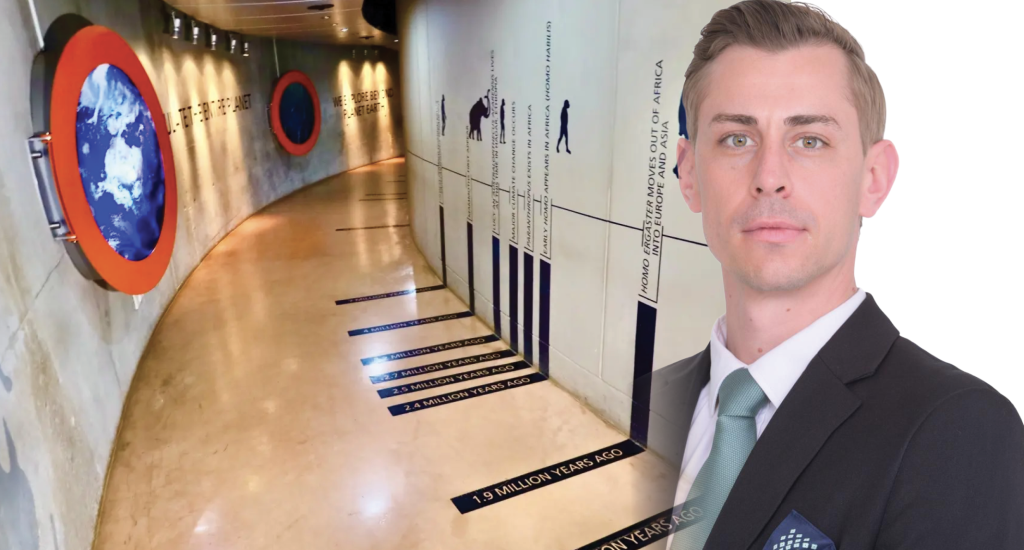
That is all I could think about as I sat across from Gauteng MEC for Environment, Ewan Botha, during an interview for PSM magazine at Maropeng Boutique Hotel.
Ahead of Tourism Month, which coincides with Heritage Month in September, Botha spoke about the importance of environmental stewardship, the role of heritage and natural assets in promoting tourism and the opportunities these sectors create for economic growth and job creation.
“If you have not been to a space of human origin, Maropeng is certainly a place to visit. While you discover our history and evolution as human beings to what we are now, it is worth visiting other places that the province has to offer, including hiking trails in Mogale City. Gauteng is a special place to explore nature and the country's economic hub,” he said.
Maropeng is the official visitor centre, a UNESCO World Heritage Site located about 50 kilometres north-west of Johannesburg. It is one of South Africa's eight UNESCO World Heritage sites and the only one in Gauteng. The site contains one of the world's richest concentrations of hominin fossils, some dating back as far as 3.5 million years.
More tourism offers
However, that is not all that Gauteng has to offer. Besides palaeo-tourism, Gauteng is a hub of fashion, food, sport, popular culture, media, game viewing and commerce, making it a bucket-list destination for both leisure and business tourists.
Botha is confident that tourists can spend two to three weeks exploring the wide range of attractions the province has to offer.
Among Gauteng's hidden gems, he highlighted the Cullinan Diamond Mine in the quaint village of Cullinan, about a 30-minute drive east of Pretoria. The village is a historic mining settlement best known for the discovery of the world's largest diamond, the 3 106-carat Cullinan Diamond, in 1905.
There are also several parks and green spaces, including the Walter Sisulu National Botanical Garden in Roodepoort, Rietvlei Nature Reserve near Pretoria, the Dinokeng Game Reserve north of Pretoria and Gold Reef City Theme Park.
Protecting natural heritage
However, if residents do not keep the environment clean, the beauty of the province could fade and the number of tourists visiting Gauteng could decline.
Botha's department is responsible for protecting the environment and conserving nature in the province. Its responsibilities include monitoring air quality and ensuring compliance with licence conditions, including atmospheric emission and waste management licences.
The department also issues environmental authorisations for activities that may affect or disturb the environment.
“We are also big in climate change, looking at nature-based solutions, adaptation and mitigation strategies. We are really looking to reform the environment as a whole,” he explained.
As far as Botha is concerned, environmental issues have not always been communicated effectively. Caring for the environment is often portrayed as a burden when, in fact, it presents opportunities to create jobs, improve livelihoods and boost municipal revenues through the green economy.
For instance, in the waste management sector, residents can generate income by collecting and separating recyclable waste and selling it to buy-back centres. The waste is then processed and reintroduced into the economy, contributing to a circular economy that reduces waste and creates economic opportunities.
Instead of sending waste directly to landfill sites, integrated waste management facilities sort, recycle and process different waste streams to recover valuable materials, produce compost or generate renewable energy.
“There is so much you can do in the green jobs sector, including air quality, climate change and green innovation,” he explained.
Growing the green economy
Several years ago, waste-to-energy (WtE) was virtually unheard of. Today, innovation has transformed it into a growing industry that offers a range of career opportunities. The sector combines environmental sustainability with energy production, creating jobs in engineering, plant operations, regulatory compliance and business development.
To support workers and entrepreneurs, particularly in the waste management sector, the department partners with producer responsibility organisations (PROs). These organisations collect fees from producers and use the funds to support waste collection, sorting and recycling initiatives.
Producers of cans, paper and glass contribute to PROs, enabling small businesses to collect and reclaim waste, develop their expertise and access markets for recyclable materials.
Leading beyond borders
The Gauteng Provincial Government, represented by Botha, was recently elected to the position of Vice President for Africa of Regions4, a global network of regional governments driving action on climate change, biodiversity and sustainable development.
In this role, the province will help strengthen African regional participation within the network and contribute to discussions on climate action, sustainable development and climate finance.
“This is one of the biggest achievements. It means that Gauteng has a big voice globally through Regions4, because we are the subnational government that is most powerful in Africa. We have an opportunity to advocate for important issues around climate change and biodiversity in the country and the continent,” explained the MEC.
This is a governance role within Regions4 that supports coordination among African countries, facilitates knowledge exchange and ensures that regional perspectives from across the continent are reflected in the network's global engagements.
The position will contribute to advancing innovative financing approaches, including blended finance and carbon markets, while ensuring that subnational governments are recognised as credible implementing partners with direct access to global funding mechanisms such as the Green Climate Fund, Adaptation Fund and Global Environment Facility. A key focus will also be supporting the development of investment-ready projects and strengthening collaboration between subnational governments and development partners.
The provincial government aims to elevate the voice of African regions in global climate negotiations, including United Nations Climate Change Conference processes and international financing discussions. This will help ensure that subnational governments are recognised as active architects of solutions rather than passive implementers.
Among Botha's priorities is the implementation of the Kaalspruit Catchment Resilience Plan, a multi-municipal and provincial initiative launched to address severe water pollution, urban flooding and ecological degradation along the Kaalspruit River. The river flows from Ekurhuleni through the City of Johannesburg into the Hennops River in Tshwane, making cross-boundary cooperation critical to its restoration.
videos & photos